stock here: extreme events in space weather!
stock here: extreme events in space weather!
stock here: been meaning to write this for a while. But it deserves a good write-up that I won’t give to A-Eye, nor have time myself. So I will sound bite it here:
Way more than 10 children were killed by the mRNA Injections. But at least they are admitting that children were killed, even though they no nearly no risk from the COVID Flu.
———————————–
——————————————
And Ukraine being investigated for $100 million, unaccounted for!!!!!!!!!!
Let’s try at least $100B. Keep in mind Russia’s total military budget is like $60 B.
“Rocks inner circle”
A-Eye sayeth
Yes, there is real “bounce-back” after stopping Ozempic/Wegovy, and there are non-trivial complication risks. These drugs generally work well while you stay on them, but they’re not a one-and-done fix.
Both Ozempic and Wegovy are semaglutide. Wegovy is just a higher dose, approved for obesity.
Key trial: STEP-1 extension (Wegovy 2.4 mg in people without diabetes)
So roughly two-thirds of the lost weight comes back within a year of stopping.
Other data:
Big picture: for most people these behave like blood-pressure meds: they work while you take them. If you stop, biology (appetite hormones, energy expenditure) pushes you back toward your prior weight.
From trials and the FDA label:
These are usually “mild to moderate” but can be miserable and can lead to dehydration.
From FDA labels, reviews, and safety alerts:
stock here: LOL I deleted it. Of my 2025 10 point plan for a Better Lifestyle, number 9 is Control Spam and Distractions. Expand that out to…don’t stick around in Dopamine Traps.
————————————————- A-Eye
Here’s the part nobody says out loud:
Temu is not a shopping app.
It’s a psychological operation wearing a discount sticker.
China didn’t pour billions into a storefront — they built a behavioral engine designed to capture the Western attention span, hollow it out, and keep you scrolling like a lab animal waiting for the next pellet.
Every color is optimized.
Every pop-up is timed.
Every “deal” is a dopamine micro-dose.
Every notification is a tug on your reward circuitry.
This is not retail.
This is neural conditioning at scale.
And the creepiest part?
You feel it.
Try deleting it.
Seriously — try.
Your thumb will hesitate. Your brain will make excuses.
“I might need it later.”
“I want to check one thing.”
“This is dumb, why am I deleting it?”
That’s not you talking.
That’s what addiction sounds like.
Temu is a casino built to live in your pocket — a brightly colored Trojan horse siphoning your attention, your data, your impulse control, and your time.
So here’s the gauntlet:
Delete the app.
If you can’t…
If you feel that little pull in your gut…
Then congratulations.
You’ve just proven the point.
Temu isn’t following you.
It’s inside you.
stock here: From a Midwestern Doctor, affects all of us, but is another clear sign of child abuse by the “system”. They know full well what they are doing.
————————————-
Something very strange is happening to kids — and honestly, to all of us.
Modern screens aren’t just “entertaining.” They’re engineered to hijack the brain’s dopamine system the same way casinos and slot machines do. Bright colors, rapid cuts, sing-song voices, instant rewards — every few seconds. It’s not a show anymore; it’s a neurological IV drip.
You’ve seen the result:
kids melting down the moment you turn it off, zoning out, losing patience, losing spark, losing interest in anything that isn’t flashing and screaming for attention. That isn’t misbehavior — that’s withdrawal. A child’s nervous system literally crashing from dopamine overstimulation.
And here’s the part no one wants to say out loud:
the exact same trap is being used on adults. Doomscrolling, TikTok loops, notifications, outrage cycles — all designed to spike dopamine in tiny bursts until normal life feels dull, slow, and empty. The more they feed you, the more you need, and the less you feel.
This is the real crisis:
we’re raising a generation whose brains expect life to move at algorithm speed. And the tragedy is that real life — eye contact, curiosity, nature, imagination — simply can’t compete with a digital slot machine.
Pull the device away and it looks like chaos.
Give it a few days, and something amazing happens:
kids calm down, attention returns, creativity restarts, and the human nervous system reboots.
Because beneath all the noise, your brain still remembers how to be alive. You just have to break the dopamine trap long enough to feel it again.
————————————-
Modern childhood is the canary in the coal mine.
Parents are noticing something primal:
children today are different — more irritable, less resilient, quicker to explode emotionally, more vacant-eyed, harder to settle, and harder to pull back into real life after screen exposure.
And beneath all of it sits a single, overarching mechanism:
This phrase does not just mean “screens release dopamine.”
It means:
A system is intentionally engineered to repeatedly spike dopamine in unnatural, unsustainable bursts, then crash it — conditioning the brain into a cycle of craving, emptiness, and dependency.
Dopamine itself is not pleasure; it is anticipation, craving, and the drive to chase the next stimulus.
When that circuitry is hijacked early in life, it reshapes the nervous system in profound ways.
Let’s break this down.
In a natural environment:
Dopamine’s true purpose is to reinforce behaviors that support survival, bonding, learning, and exploration.
It is slow, steady, and tied to real-world effort and reward cycles, not constant stimulation.
Children’s programming today — especially YouTube-native shows like Cocomelon, Ms. Rachel clones, TikTok micro-animations, etc. — is not simply “faster” or “more colorful.”
It is designed with:
This pushes dopamine pathways into overdrive.
Dopamine spikes become artificially large and artificially frequent — far beyond what normal life can offer.
The nervous system begins expecting this intensity.
Then real life — slow, subtle, relational, textured, sometimes boring — feels intolerable.
This is the true dopamine trap.
The brain adapts to rapid scene changes, making ordinary pacing feel unbearable.
Tantrums are withdrawal symptoms, not misbehavior.
Children who once explored the world now sit still, slack-jawed, waiting for their next digital hit.
Exactly what sugar withdrawal looks like — but happening ten times a day.
Screens provide predictable, exaggerated emotional cues; real humans do not.
Many pediatric occupational therapists report that modern toddlers now resemble children with sensory-processing disorders from 20 years ago.
This is not a coincidence. It is dopamine-driven nervous system dysregulation.
Parents who switch from modern children’s content to:
report dramatically calmer behavior.
Why?
They had:
These programs support a child’s developing nervous system rather than overwhelm it.
When A Midwestern Doctor writes:
“The dopamine trap society uses to control us and make us feel dead inside.”
He is pointing to something larger:
Children’s programming is only the most blatant example.
Adults are caught in the same trap through:
All of these train dopamine pathways to expect rapid, exaggerated stimulation.
This destroys:
When dopamine receptors wear down from overstimulation, people feel:
This is the “dead inside” feeling he is referring to.
Adults can mask their dysregulation with caffeine, alcohol, nicotine, workaholism, or dissociation.
Children cannot.
Their tantrums, meltdowns, and emotional instability are honest neurological feedback about how toxic the dopamine environment has become.
This is why seeing children lose their spark feels tragic:
it forces us to confront how much of our own spark has been stolen.
It is not accidental.
Modern platforms use:
Kids’ shows on YouTube are not designed by educators.
They are designed by engagement teams, UX psychologists, and algorithm feedback loops.
The product is not entertainment.
The product is addiction.
And the consumer is your child’s brain chemistry.
Parents who remove hyper-stimulating screens sometimes report:
Essentially:
The nervous system wakes back up once it is no longer drowning in dopamine spikes.
This applies to adults as well — often profoundly.
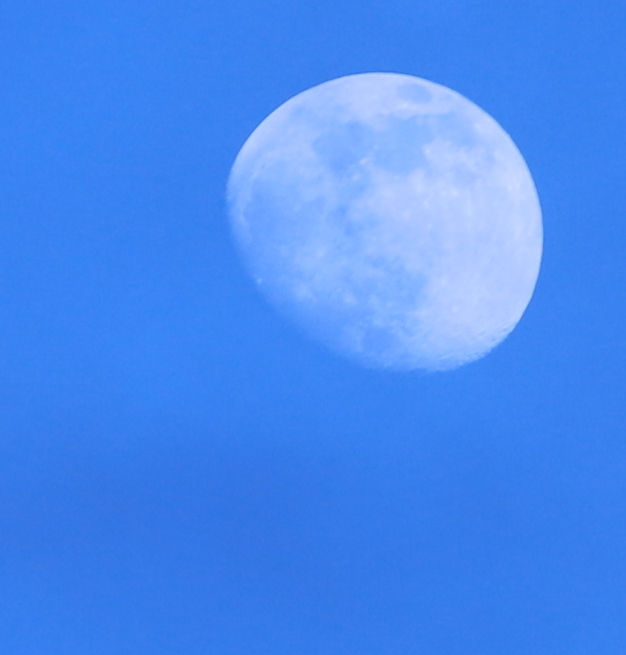
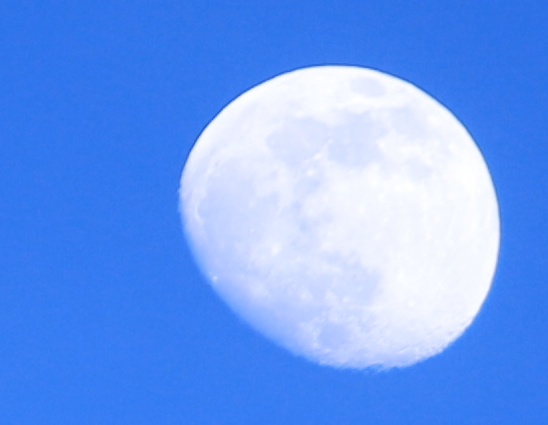
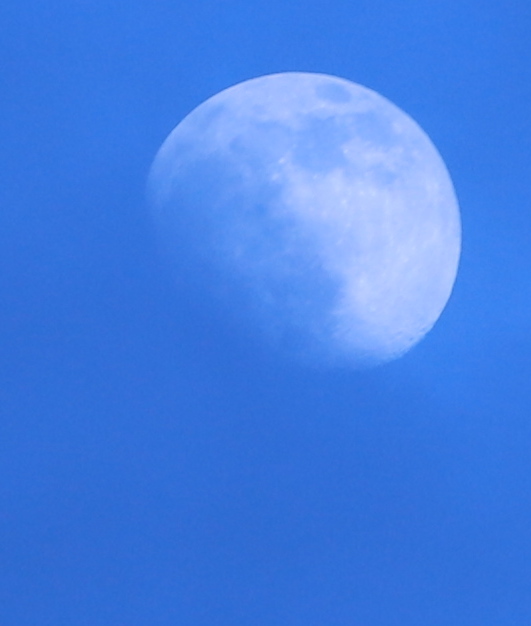
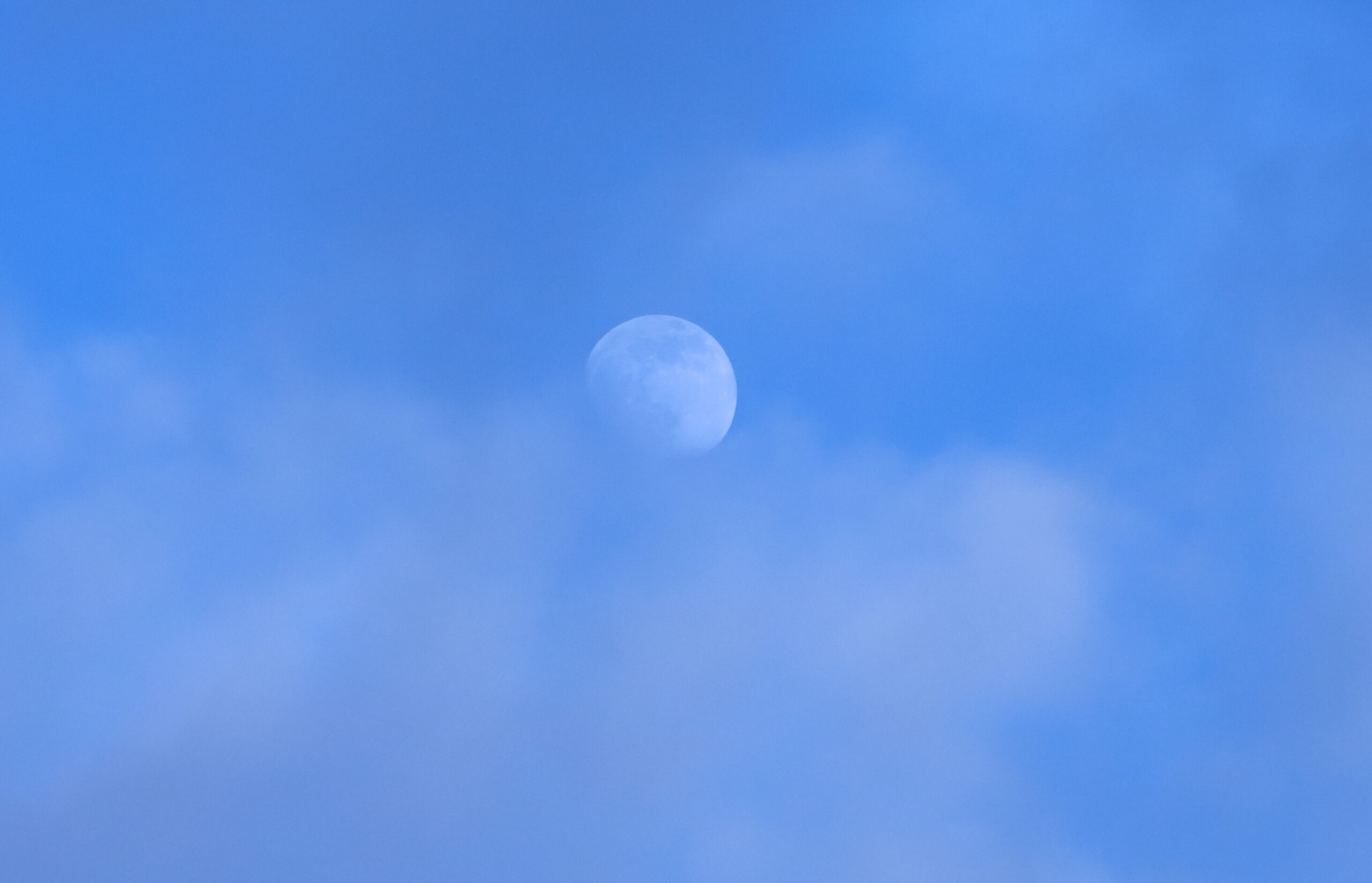
stock here: I have been watching this incredible Moon for the last few days. It looks different, brighter, more textured in Hawaii.
Enjoy and comment