stock here, slow news week, LOL, A-Eye of course
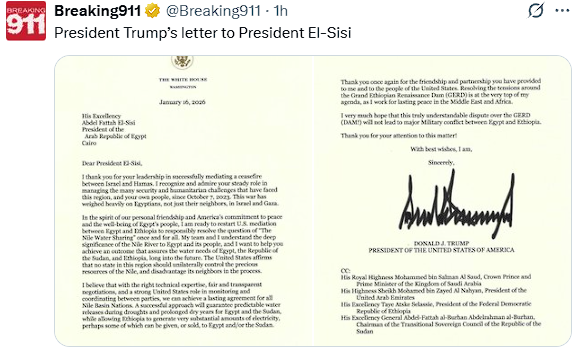
Below is a comparative, discipline-based explanation of how two different schools of handwriting analysis would typically interpret Donald J. Trump’s signature, using his well-known signing style as the reference point. This is descriptive of the schools’ frameworks, not an assertion of fact about the individual.
School 1: Traditional Graphology (Personality-Interpretive)
(Common in Europe; used in coaching, HR, and popular psychology — not considered a hard science)
A graphologist would focus on symbolism, exaggeration, and stroke dynamics.
Likely interpretations
- Oversized, dominant capital letters
- Interpreted as strong ego projection, need for recognition, and self-assertion.
- Highly stylized, logo-like signature
- Seen as deliberate branding rather than self-disclosure.
- Suggests the signer wants the public image to dominate over the private self.
- Angular strokes and sharp points
- Read as combativeness, decisiveness, or confrontational energy.
- Illegibility / abstraction
- Often interpreted as a desire to control access to the individual; “you know the name, not the person.”
- Forward movement and pressure
- Taken as indicators of drive, urgency, and confidence.
Summary (graphology lens)
The signature would be described as assertive, performative, image-driven, and dominance-oriented, emphasizing projection of power over introspection.
⚠️ Important: Graphology explicitly accepts symbolic interpretation and does not claim empirical validation.
School 2: Forensic Handwriting Examination
(Used in courts, law enforcement, and document authentication — evidence-based, non-psychological)
A forensic examiner does not infer personality at all. They analyze mechanics and consistency only.
Likely observations
- High repeatability
- Trump’s signature is notably consistent over decades, suggesting strong motor memory.
- Simplified letter forms
- Indicates an automated, practiced signature, not one produced slowly or self-consciously.
- Strong rhythm and speed
- Suggests fluency, not hesitation or disguise.
- Stylization stability
- The exaggerated forms are stable, which helps authenticate genuine signatures vs. forgeries.
- No tremor or retouching
- Consistent pressure and stroke order indicate non-forged execution.
Summary (forensic lens)
The signature would be described as highly practiced, motor-stable, and easy to authenticate, with no diagnostic claims about character, ego, or psychology.
Key Contrast Between the Two Schools
| Aspect | Graphology | Forensic Examination |
|---|---|---|
| Purpose | Personality symbolism | Authentication & authorship |
| Claims about character | Yes | No |
| Scientific standing | Disputed / non-empirical | Court-accepted |
| View of exaggeration | Psychological signal | Neutral stylistic habit |
| Focus | Meaning | Mechanics |
Bottom Line
- Graphology would interpret Trump’s signature as a deliberate projection of power and identity.
- Forensic analysis would treat the same features as neutral, repeatable motor behavior useful for verification — nothing more.
If you want, I can also:
- Compare this signature to other presidents’ signatures across the same two schools
- Explain why very powerful figures often develop logo-like signatures
- Or analyze how signatures evolve when someone transitions from private citizen to public symbol