stock here, so expected.

stock here, so expected.
stock here: we knew he was a piece of shit, but not this shitty.
He reminds me of that POS diversity hire in Minneapolis who negligently killed the cute Australian blondie. And what up with his choice of clothes, looks like the clown that he is.
stock here: posting before testing, as it may help some people but not all
I did the first one, you have to go into properties (not just “stop”) as the disable feature is not avail on the first screen you see. Curious, I was not able to screen capture this window.
Also curious, a significant change to the format of Zerohedge.
If you want to completely stop Windows Update from prompting you or automatically installing updates, there are ways to control it. However, keep in mind that disabling updates might leave your system vulnerable to security risks. If you’re determined to stop it, here are some steps to manage or disable updates:
This disables Windows Update entirely. However, it may be re-enabled by some major updates or changes in system settings.
Note: This works on Windows Pro/Enterprise but not Home edition.
Be cautious when editing the registry. Missteps can cause system issues.
By following these methods, you can take full control of updates and ensure Windows won’t prompt you again. Let me know if you want step-by-step guidance for any of these options!
stock here: shame on the “re-made” Zuckerberg, Zionist prick.
On a different matter, I have 2 computers in which now the mouse has an annoying scrolling when you don’t want to scroll behavior.
Lahaina immigrants who survived fire now wary of Trump’s deportation threats.
Dania Laborte felt chicken skin when the announcement came over the plane’s public address system in Spanish that her aircraft was cruising over Mexico.
Laborte, who grew up in Lahaina and has legal status in the U.S. through the Deferred Action for Childhood Arrivals (DACA) program, was returning to the country of her birth for the first time in 21 years to fulfill her uncle’s last wishes to return his body to Mexico after his death on Christmas Day 2022. She also hoped to give her grandma, who was losing her vision, one more chance to see her.
Maui Now
Donate
Learn about HJI
Hawai‘i Journalism Initiative
Lahaina immigrants who survived fire now wary of Trump’s deportation threats
By Colleen Uechi
December 23, 2024 · 12:06 AM GMT+6
114
Shares
twitter sharing buttonsharethis sharing buttonlinkedin sharing buttonfacebook sharing button
Listen to this Article
5 minutes
AAA
At the memorial for the 102 people who died in the August 2023 wildfire, flags represent the many ethnicities that made up the Lahaina community. Census data show one-third of Lahaina’s roughly 12,000 residents were immigrants. HJI / COLLEEN UECHI photo
Dania Laborte felt chicken skin when the announcement came over the plane’s public address system in Spanish that her aircraft was cruising over Mexico.
Laborte, who grew up in Lahaina and has legal status in the U.S. through the Deferred Action for Childhood Arrivals (DACA) program, was returning to the country of her birth for the first time in 21 years to fulfill her uncle’s last wishes to return his body to Mexico after his death on Christmas Day 2022. She also hoped to give her grandma, who was losing her vision, one more chance to see her.
HJI Weekly Newsletter
Get more stories like these delivered straight to your inbox. Sign up for the Hawai‘i Journalism Initiative’s weekly newsletter:
YOUR E-MAIL
Subscribe
“I felt at peace, being able to go back … where the beginning of my life was,” Laborte said. “But even when I went there … I felt like I didn’t belong, because they knew that I wasn’t from there.”
For most of Laborte’s life, Lahaina has been her home. But even as a longtime resident and a DACA recipient, she’s worried about her status as President-elect Donald Trump prepares to take office in January following repeated campaign promises to mass deport immigrants, which he called a priority on Day 1.
Nearly one-third of Lahaina’s population before the August 2023 wildfire came from another country, and their recovery from the blaze has been hampered in some cases by language barriers, housing costs, the decline in work and the lack of access to services reserved for U.S. citizens.
And, despite the fact that Trump’s mass deportation plans never fully materialized during his first term, one Maui immigration attorney who worked for the Senate Judiciary Committee during the former president’s first impeachment trial believes that “people should take him at his word” this time around.
“If he says he’s going to do something, assume he’s going to do it,” said Aparna Patrie, who works with the nonprofit Roots Reborn that is helping Lahaina immigrants recover from the fire. “I don’t understand how people can look at him and say, ‘that’s just bluster.’ … He and everyone under him have had four years to figure out how to be more effective this time around. And most presidents don’t get that luxury.”
ROADBLOCKS TO RECOVERY
Hawai‘i’s location in the Central Pacific and decades-long legacy of plantation agriculture has made it a hub for immigration. Of the 1.45 million people living in the state, about 260,000 (17.8%) were born in another country, above the national average of 14.3%, according to 2023 U.S. Census Bureau data.
O‘ahu had the highest percentage of foreign-born residents at 19.6%, followed by Maui County at 17.4%. The foreign-born population in Lahaina made up an even larger portion of the community at 30.9% of the roughly 12,000 residents.
Estimates of the number of undocumented immigrants in Hawai’i are harder to pin down. The 2018 Census Bureau’s American Community Survey put the number at about 41,000 or 3.3% of the population, while the Migration Policy Institute has estimated that there are 51,000 undocumented immigrants, mostly from the Philippines (46%). They also come from Micronesia (18%), China or Hong Kong (7%) and Mexico and Central America (6%).
Nadine Ortega, executive director of Tagnawa, a grassroots organization dedicated to representing the Filipino community in Lahaina, said undocumented immigrants are known in Tagalog as “tago ng tago,” which means “hide and hide.”
“We’ve got a big undocumented segment of our Filipino community,” Ortega said. “But we don’t talk about that because that’s essentially sort of outing our family members and community members. But I do get a sense though that there’s a fear and concern about the impending administration.”
stock here: never turn your back to the ocean.
stock here, from Lots wife
More validation for assertions that public employee health insurance claims will bankrupt the system. As presently constituted, companies selling health insurance in a dynamic environment cannot sustain the risk. Major disease diagnosis and treatment is ballooning beyond all expectations.
Isn’t it time to talk about it?
stock here: sent in by Lot’s Wife
See video below….piss poor training for the cannon fodder Ukrainian Recruits.
This guy covers the Ukraine war in detail
https://www.bitchute.com/channel/nnwlaOOuDM1W
stock here: I have long knew that some heart repair (not replacement) valves and such were done with Pig Parts. The failed with 7 Pig Kidney transplant, but the 8th made it. I have a problem with this.
They call it a Xenotransplant, and I guess if it has a name, that makes it OK. NOT!
Woman receives pig kidney transplant, walks out of hospital days later: ‘Second chance’
The Bible and the Torah (the first five books of the Bible, central to Jewish law) discuss the relationship between humans and pigs primarily in terms of dietary laws, symbolism, and spiritual lessons. Here’s a breakdown:
In the Torah
Dietary Laws:
    Leviticus 11:7-8 and Deuteronomy 14:8:
        Pigs are explicitly classified as unclean animals because, although they have split hooves, they do not chew the cud.
        These verses forbid the consumption of pork and even touching the carcass of a pig:
            “The pig, though it has a divided hoof, does not chew the cud; it is unclean for you. You must not eat their meat or touch their carcasses.” (Leviticus 11:7-8)
    This prohibition forms a core part of kashrut (Jewish dietary law), emphasizing ritual purity and obedience to God’s commands.

Symbolism of Uncleanness:
    Pigs became a symbol of uncleanness in Jewish thought, not only for their diet but also for their behavior. While outwardly appearing clean (split hooves), they lack the internal characteristic (chewing cud) required for ritual purity.

Cultural Context:
    The prohibition of pork distinguished the Israelites from neighboring cultures, many of which consumed pigs as a staple. This separation reinforced their identity as a chosen, holy people.
In the New Testament
Jesus and the Gadarene Demoniac:
    Matthew 8:28-34, Mark 5:1-20, Luke 8:26-39:
        Jesus casts demons out of a man and allows them to enter a herd of pigs, which then rush into the sea and drown.
        Pigs here are symbolic of impurity, as they are associated with demonic possession. This account also highlights Jesus’ authority over evil spirits.
Relaxation of Dietary Laws:
    Mark 7:18-19:
        Jesus declares that it is not what goes into a person that defiles them but what comes out of their heart, implying a shift from strict dietary laws to a focus on moral and spiritual purity.
    Acts 10:9-16:
        Peter’s vision of unclean animals, including pigs, being declared clean by God signifies the inclusion of Gentiles in the Christian faith and the end of dietary restrictions.
In Jewish Tradition
Cultural Aversion to Pigs:
    In Jewish history, pigs became a symbol of desecration, particularly during the Seleucid Empire’s rule, when Antiochus IV forced Jews to sacrifice pigs on the altar, leading to the Maccabean Revolt.
    This deepened the association of pigs with spiritual defilement.

Prohibition Maintained:
    Observant Jews continue to avoid pork, adhering to the Torah's commands as a mark of faith and cultural identity.
Symbolism and Spiritual Lessons
Dual Nature of Pigs:
    Pigs symbolize hypocrisy in Jewish thought, appearing clean outwardly but being impure internally. This is a recurring metaphor for inner versus outer righteousness.

Obedience and Holiness:
    The Torah’s dietary laws, including the prohibition of pork, are less about health and more about obedience to God and maintaining a distinct identity as His people.
Comparison
The Torah emphasizes separation and ritual purity, using pigs as an example of what is forbidden to eat or handle.
The New Testament shifts the focus from ritual purity to inner spiritual purity, though the cultural stigma around pigs remains.
This nuanced view of pigs underscores themes of purity, obedience, and spiritual transformation across the Bible and the Torah. Let me know if you’d like to explore further theological or cultural insights!
stock here: I did a prior article about early Jewish backsliding, and there was quite a bit of backsliding. I’ll link it if I can find it quickly. It was 2024 or 2023. AI here:
Did christianity “backslide” into pagan and worse rituals and practices like the early Jews did?
ChatGPT said:
ChatGPT
To address whether Christianity “backslid” into pagan practices like the early Jews occasionally did in their history, we need to explore how Christian doctrine and practices evolved, particularly during the Roman Empire and medieval periods.
The Early Christian Church and Pagan Influences
Integration with Roman Culture:
    Christianity emerged in a predominantly Greco-Roman world and needed to navigate a culture steeped in pagan rituals and traditions.
    While early Christians rejected outright paganism (e.g., worship of Roman gods), the adaptation of certain customs for evangelistic or practical purposes did occur. For example:
        Holidays: Christian festivals like Christmas were aligned with existing pagan celebrations, such as Saturnalia and the winter solstice, to make Christianity more palatable to converts.
        Symbols: The cross became the dominant Christian symbol, but other symbols like the fish (Ichthys) may have been borrowed or adapted to resonate with Greco-Roman culture.

Syncretism:
    Some pagan elements, such as the veneration of saints and relics, bear superficial similarities to older polytheistic practices, where gods or spirits were tied to specific locations or objects.
    However, these practices were reinterpreted within a monotheistic framework, emphasizing devotion to God through these intermediaries.
The Medieval Church and Rituals
Integration of Local Customs:
    As Christianity spread to Europe, it often incorporated local traditions to facilitate conversion. For example:
        The use of evergreen trees during Christmas may have roots in Germanic pagan rituals.
        Harvest festivals and seasonal celebrations were "baptized" into Christian contexts as thanksgiving services or feast days.

Criticism of Excess and Deviation:
    Throughout history, movements within Christianity, such as the Protestant Reformation, criticized the Church for adopting practices seen as unbiblical or too influenced by paganism.
    Examples include the sale of indulgences, excessive reliance on relics, and rituals that resembled magical practices rather than Christian worship.
Comparison to Early Jewish Practices
The Old Testament records frequent instances of the Israelites adopting pagan rituals from surrounding cultures, such as worshiping the golden calf (Exodus 32) or participating in Canaanite fertility rites. Similarly, some critics argue that elements of Christianity evolved to include “pagan” influences, especially during its spread across diverse cultures.
However, a key difference is that Christianity often reinterpreted these influences rather than directly adopting them. For example:
The veneration of the Virgin Mary could be compared to earlier mother goddess figures, but Christian theology explicitly places Mary within the narrative of Christ's incarnation rather than elevating her as a deity.Did Christianity “Backslide”?
Theological Integrity:
    The core doctrines of Christianity—such as the divinity of Christ, salvation through grace, and the resurrection—have remained consistent despite cultural adaptations.
    While certain practices may have taken on pagan forms superficially, these were typically framed within Christian theological principles.

Critiques and Reform Movements:
    Throughout history, many Christians have sought to return to the "pure" teachings of Christ, criticizing perceived corruptions or pagan influences.
    The Protestant Reformation, for instance, sought to eliminate practices it saw as idolatrous or overly ritualistic.

Cultural Adaptation vs. Backsliding:
    What some interpret as "backsliding" might be better understood as cultural adaptation—a way for Christianity to resonate with diverse peoples while maintaining its core message.
    However, critics (both within and outside Christianity) argue that these adaptations sometimes led to distortions or departures from original teachings.
Conclusion
Christianity’s historical interactions with pagan practices reflect a complex dynamic of rejection, adaptation, and integration. While some elements of pagan culture were incorporated into Christian rituals and traditions, they were generally reinterpreted through a Christian lens rather than adopted wholesale. This process parallels the challenges faced by ancient Israel but is distinct in its outcomes and theological framework. Ultimately, whether this constitutes “backsliding” depends on one’s perspective and theological interpretation.
stock saw this: A bunch of characters I didn’t recognize, so AI was asked to unpack, this comment of “Jesus wasn’t special, hardly at all”
you mean dionysius who was also born from a Virgin and performed the same miracles as your Jesus like turning water into wine ( and is who your religion ripped the idea off of) Or maybe they ripped off Orisis who also died and was resurrected… or maybe it was Mithras who was born from a virgin, died, was buried in a tomb and who rose 3 days later… see where I’m going with this? You’re religion is just paganism 2.0 and was literally appropriated from them…so your “christ” has no power over anyone else that believes or doesn’t believe.
ChatGPT said:
ChatGPT
The statement about Jesus, Dionysus, Osiris, and Mithras highlights a recurring critique that Christianity borrowed or appropriated ideas from earlier mythological or religious systems. Here’s a breakdown and response to unpack the ideas presented:
Similarities Between Jesus and Other Figures
Dionysus:
    Claim: Born of a virgin, performed miracles like turning water into wine.
    Analysis: Dionysus, in Greek mythology, was the god of wine, fertility, and revelry. His story includes miraculous elements, but the "virgin birth" claim is debatable. Semele, his mother, conceived him with Zeus, not as a virgin.
    Christian Context: The story of Jesus turning water into wine is unique in purpose and theological framing, meant to signify divine authority and the coming Kingdom of God, not revelry.

Osiris:
    Claim: Died and was resurrected.
    Analysis: Osiris, in Egyptian mythology, was killed, dismembered, and reassembled by Isis. He became the ruler of the afterlife, but his “resurrection” differs fundamentally from the Christian idea of Jesus’ bodily resurrection.
    Christian Context: Jesus' resurrection is presented as a one-time historical event that defeated death and promised eternal life, differing from Osiris's cyclical role in the underworld.

Mithras:
    Claim: Born of a virgin, died, was buried in a tomb, and rose after three days.
    Analysis: Mithras was a deity in the Roman mystery cults, but there is limited evidence to suggest he was born of a virgin or had a resurrection narrative comparable to Jesus. Much of what is claimed about Mithras comes from later speculative comparisons rather than ancient sources.
Christian Context: The timing of Mithraism's popularity overlaps with early Christianity, but evidence suggests Christianity developed independently, rooted in Jewish eschatology.stock here: I did not see this myself. The tone deaf Fire Chief described it as a “best case scenario”, um, pardon me?
stock here: rarely do I read a full Federalist clap trap. They pretend there is a simple and strong strategy, and they pretend it is just one strategy. AI
This article presents a critical overview of the challenges Republicans face against media narratives, emphasizing how they might maneuver strategically. However, while the piece touches on themes like showing conviction, pressuring weak Republicans, and using grassroots efforts to influence policy outcomes, it lacks clarity in articulating a truly “simple strategy” as claimed. Here’s a breakdown of its points and shortcomings:
Key Claims and Themes
Republican Unity and Strength:
    The article argues that Republicans should "show strength and conviction" when faced with media campaigns targeting their nominees or policy ideas.
    Example: Trump's strong backing of Pete Hegseth is presented as a turning point in his nomination battle.

Grassroots Pressure:
    The piece emphasizes the role of grassroots efforts in pressuring weak Republicans, such as Sen. Joni Ernst, to align with the party's goals.
    These efforts reportedly involve mobilizing the MAGA base to threaten primary challenges against wavering senators.

Media as the Opponent:
    The article paints the media and the Democratic Party as perpetually aligned against Republican interests, framing them as deploying "constant information operations."
    It asserts that Republicans must learn to counteract these tactics by standing firm and prioritizing their voters over the media narrative.

Trump's Popularity as a Lever:
    Trump’s agenda and his appeal to a broad base are framed as the key to Republican success, with references to his electoral gains among diverse demographics.

Repetitive and Scalable Strategy:
    The proposed strategy involves combining strength, grassroots mobilization, and accountability to ensure Republicans resist media and Democratic pressure consistently.
Strengths
Identifies Key Tactics: The article effectively identifies grassroots mobilization and unwavering party unity as critical elements for overcoming opposition.
Focuses on Electoral Power: By highlighting how fear of primary challenges can influence senators' decisions, the article underlines the importance of aligning policy goals with voter priorities.
Shortcomings
Vague "Simple Strategy":
    While the piece discusses showing conviction and using grassroots pressure, these are broad principles rather than actionable, step-by-step strategies.
    The notion of "reminding weak Republicans to fear their voters" is presented as simple but lacks specifics on implementation beyond general rhetoric.

Overreliance on Trump’s Popularity:
    The article heavily leans on Trump’s appeal and suggests his agenda is widely accepted. However, it overlooks the nuanced and diverse opinions within the Republican base and among independents.

Limited Insight into Media Strategy:
    It claims Republicans can "neuter" media campaigns but does not provide concrete guidance on how to do so beyond resisting narratives and applying grassroots pressure.

Dismissal of Critiques:
    The article dismisses allegations or concerns raised about nominees like Hegseth without addressing their substance, weakening the argument for standing by controversial figures as a blanket strategy.
Evaluation of the “Simple Strategy”
The “strategy” appears to boil down to:
Stand firm against media narratives.
Pressure weak Republicans through grassroots efforts and the threat of primary challenges.
Emphasize Trump’s electoral success as validation of the Republican agenda.
While these points have merit in principle, they are not groundbreaking or particularly “simple” when considering the complexities of political campaigns, public perception, and media influence.
Conclusion
The article provides an overview of Republican tactics but stops short of presenting a truly actionable or innovative strategy. It highlights the importance of grassroots mobilization, strong messaging, and party unity but lacks depth and specificity in guiding how these goals can be achieved effectively in different scenarios. For readers seeking clear, implementable tactics, the piece offers inspiration rather than detailed guidance.
stock here: at some point they will just “update” your web connected computer (aren’t they all) without even trying to rely on intimidation or trickery.
Just what the heck does “snooze” mean…that is snoozes 5 minutes and then “updates”

stock here: I will circle back to this as more details emerge. Where did she get the gun? Mom and Dad divorced TWICE, and recently Dad was given complete custody of the 15 YO girl. And then, just this fall, he moved her from a public school to a private Christian school.
The girl was “in therapy” and I will bet 10 to 1, that she was taking some anti-depressants.
The day started out at 7AM at 38F in Madison, and at 11AM it was 39F. But the kids that were shown (and that is very few) did not have jackets on, one girl had a hoody.
The address of the house she lived in is 1313. And the County Executive was placed in power on 1113 (2024)
The powers that be must want these school shootings, because otherwise they would mandate metal detectors and other protection. What say you? The police blew the front door of the girl’s father’s house, and then threw explosive flash bangs inside. Uh maybe they could have just called his cell phone?
The Mayor of Madison is a short Haired Lesbian, Ill throw a ton of images captured at the bottom.
Note that she killed a teacher and 1 student. I am surprised it was not a 3D printed Ghost Gun.
The police chief is black, and all about getting women into the police force. His wife carries 2 last names. I put a 2 page AI history at the far bottom. He actually seems like a well educated and well trained guy, apart from his progressive bias. He ignores the question of whether she was trans-gender. Hmmm.


Maybe currently the biggest take-away is the conversation.
Check out the County Executive….she dances around the issue of gun control, but it is clearly her objective.
Yes, Melissa Agard is a Democrat. She has been a prominent member of the Democratic Party throughout her political career, including her time in the Wisconsin State Assembly and State Senate.
She previously served as the Minority Leader of the Wisconsin Senate, a leadership position for Democrats.
Her policy priorities often reflect progressive Democratic values, including support for education, healthcare access, environmental protection, and social equity.
As the Dane County Executive, her platform has continued to emphasize policies aligned with Democratic ideals, such as affordable housing, sustainability, and community inclusion.
Swearing-In:
Agard was sworn in as Dane County Executive on November 13, 2024, succeeding interim executive Jamie Kuhn, who had been serving following Joe Parisi's retirement in May.
Fox 47 News
Campaign Highlights:
Agard emphasized her deep roots in Dane County and her commitment to equity, progress, and innovation.
She built a broad, diverse coalition across the county, reflecting her focus on inclusivity and community engagement.
Agard’s election marks a return to local government after over a decade in the state Legislature, where she served as a State Senator and Assembly Representative.
Note: The above information is based on available data as of December 2024.
————————————– Police Chief
Shon F. Barnes: A Comprehensive Profile
Age:
As of December 2024, Shon F. Barnes is approximately 46 years old. He began his law enforcement career in 2000, suggesting he was in his early twenties at that time. However, his exact birthdate is not publicly available.
Educational Background:
Bachelor of Arts in History/Pre-Law: Elizabeth City State University, North Carolina.
Master’s Degree in Criminal Justice: University of Cincinnati, Ohio.
Ph.D. in Leadership Studies: North Carolina Agricultural and Technical State University, Greensboro.
City of Madison
Professional Experience:
Greensboro Police Department, North Carolina (2000–2017):
    Joined as a patrol officer in 2000.
    Progressed to the rank of Captain, commanding four police divisions.

Deputy Chief of Police, Salisbury Police Department, North Carolina (2017–2020):
    Implemented Neighborhood Oriented Policing, focusing on smaller police beat responses and community engagement.
    Instituted the Stratified Model of Policing, emphasizing problem-solving, crime analysis, and accountability.
    Significantly improved community-police relations, achieving a 100% clearance rate on all homicides during his tenure.
    Cop Doc Podcast

Director of Training and Professional Development, Civilian Office of Police Accountability (COPA), Chicago, Illinois (2020):
    Led training initiatives aimed at enhancing police accountability and community relations.

Chief of Police, Madison Police Department, Wisconsin (February 2021–Present):
    Appointed as the 30th Chief of Police by the Madison Police and Fire Commission.
    Advocated for evidence-based policing strategies to reduce crime and improve community satisfaction.
    Focused on preventing violent crime, reducing arrests for low-level offenses, protecting employee wellness, and engaging with the community.
    Badger Herald
Professional Recognitions:
National Institute of Justice LEADS Scholar (2015): Recognized for utilizing innovative technology to reduce crime.
National Institute of Justice
Inductee, Evidence-Based Policing Hall of Fame (June 2024): Honored for integrating scientific research into policing practices.
CEBCP
Publications and Contributions:
Authored works on procedural justice, police-community relations, and leadership in law enforcement, including:
    “Implementation of Procedural Justice in Police Agencies” (2017).
    Doctoral dissertation: “Police Community Relations: A study of racial disparity and the effects of hot spot policing leadership strategies” (2018).
    “Profile of the 21st Century Leader” for the Bureau of Justice Assistance Executive Session on Police Leadership (2018).
    CEBCP
Community Engagement and Initiatives:
The 54th Mile Documentary: Collaborated on a self-funded documentary retracing the historic Selma to Montgomery march, reflecting on civil rights and modern policing challenges.
Advocacy for Diversity in Policing: Active proponent of the 30x30 Initiative to Advance Women in Policing, aiming for increased representation of women in law enforcement.
Personal Life:
Married to Dr. Stephanie Dance-Barnes.
Father to three children: Ashlee, Aeiden, and Addison.
Political Leanings:
Chief Barnes has not publicly disclosed specific political affiliations. His professional focus centers on community-oriented policing, evidence-based practices, and police reform, which are often associated with progressive law enforcement strategies. However, without explicit statements, it is inappropriate to assign a definitive political label.
Recent Developments:
As of December 2024, Chief Barnes is reportedly a top candidate for the Chief of Police position in Seattle, Washington. This consideration reflects his national recognition and the impact of his leadership in Madison.
KING 5 News
Conclusion:
Chief Shon F. Barnes is a distinguished law enforcement professional with a career spanning over two decades. His commitment to integrating academic research with practical policing, along with his focus on community engagement and reform, positions him as a forward-thinking leader in modern law enforcement.


stock here, Mahalo to flying cuttlefish.
https://substack.com/home/post/p-146274502
The world’s only official COVID-19 inquiry to reveal what really took place during lockdown. Exclusive highlights reel below.
There have been no mainstream or even ‘alternative’ media reports of these harrowing testimonies (upto 16 Dec 2024). Self promoted ‘freedom’ medics and their associated communities also lacking interest. Why the stubborn refusal to cover the following facts after the biggest event in living memory for most people in the world?
‘‘People aged over 65 made up 87.9% of total deaths from COVID-19, almost 100% of deaths in care homes.’’ – Stuart Gayle KC (senior counsel to the inquiry)
A sobering assessment by
Freedom Podcast on what transpired during the lockdown.
Some points to note here from none other than the WHO.
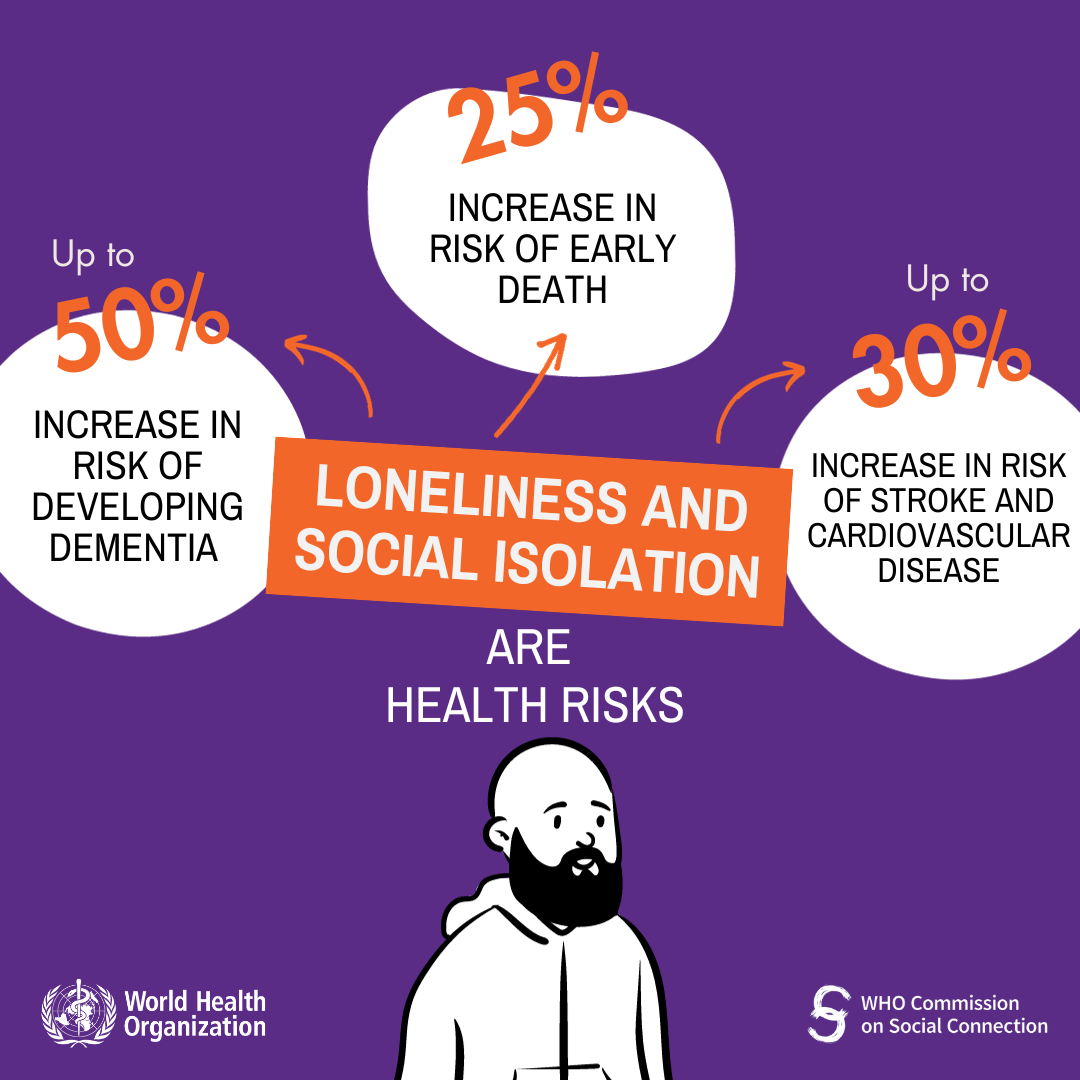
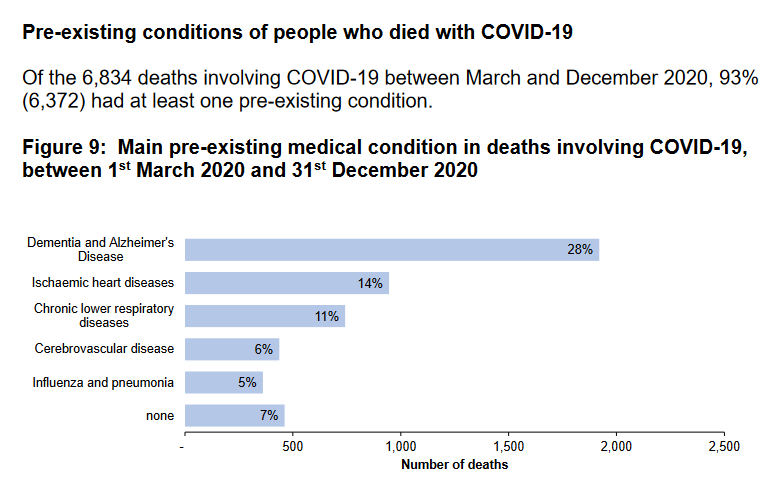
Please share.
End
Links:
https://www.covid19inquiry.scot/hearing/impact-hearing-health-social-care-closing-statements-day-1
https://www.covid19inquiry.scot/hearing/impact-hearing-health-social-care-closing-statements-day-2
Age Scotland youtube
https://www.nrscotland.gov.uk/files//statistics/covid19/covid-deaths-21-report-week-02.pdf
New-harms of isolation- https://www.medscape.com/viewarticle/silent-epidemic-loneliness-serious-threat-both-brain-and-2024a1000k2y?ecd=wnl_tp10_daily_241104_MSCPEDIT_etid6971802&uac=407830PV&impID=6971802
stock here, 2 thoughts.
The “assignation” is FaF. The young lad, just out of college “hires” a top lawyer, is Soros paying the fees? I mean, this is not like a civil suit for $50,000,000 in which the lawyer can keep 30% upon and if, success.
And that was sure fun….the guy had his face clearly plastered across the country, within hours of the “event”, but then he is just dining in a McDonalds, with a backpack and manifesto. How likely is that? Even if he is crazy, he is not stupid after grad from an Ivy school.
https://www.dailymail.co.uk/news/article-14192107/Luigi-Mangione-legal-play-powerhouse-lawyer.html

Perhaps, this attack on Big Health (non) and Big Corp is a warning to all corporate leaders….you tow the line, or we just shoot you down in the street. And this is not coming from Ivy League weird smile assholes….this is coming straight from the Global powerhouses that run and fund and siphon off the want a be New World Order. Note also the Chris Wray FBI resignation all in the same week.

stock here: stay frosty folks, this shit show is not over.
Warring Democratic factions are in a ‘knife fight’ for control of the Party after Kamala Harris‘s humiliating election loss, say political insiders.
The battle lines are now drawn between West Coast liberals, Bernie Sanders-socialists and moderate technocrats in the Midwest, who insist the party has completely lost touch with the average American voter.
But first, there is one thing that all sides seemingly agree on: The current political establishment must be chased out of national politics for good.
A reckoning is coming.
‘The people that are responsible for this s**tshow are the Obama people. They’re just grifters,’ a well-connected Democratic donor exclusively told Daily Mail.
He singled out Jen O’Malley Dillon, who went from Biden 2024 campaign chair to serve in the same role for Harris’s camp, and David Plouffe, an ex-Obama 2008 campaign manager turned top Kamala adviser.
Deep-pocketed lefty patrons are enraged by Plouffe’s post-election admission that Harris never led Trump in their internal campaign polling, despite public surveys showing her ahead.
‘[Polls] came out in late September, early October, showing us with leads that we never saw,’ Plouffe revealed late last month on the Democrat-friendly podcast ‘Pod Save America.’
stock here: I was surprised this was pushed into my feed.

AI summary of comments, most people no longer buy it.
Summary of Comments by Category and Count
Key Insights
The majority of comments oppose the vaccine or the post's claims, reflecting widespread skepticism.
Personal experiences vary significantly, fueling both support and opposition.
Humor, sarcasm, and conspiracy theories are prevalent, highlighting emotional responses to the topic.
Heated debates dominate some threads, showing the divisive nature of the issue.
Would you like deeper analysis of specific comment categories or themes?
stock here: From the moment the story broke, without any details, except the engraved casings, “they” speculated that it was not just a ghost gun, but a 3D printed ghost gun. So FaF, out of the gate.
Now a new “article” claims in the headline that it definitely was a 3D printed gun and suppressor, but in the article there are only quotations of “May be”. It sure is curious.
If guns can’t be regulated by background check at point of purchase, then all guns need to be eliminated from the public. Is that there game? And so quick after this “event”, and with so many images of the suspect, with his near Kamala SEG shit eating grin?
It sure is odd.
stock here: not until this year, did I understand the the Bible was a history book, also.
The lineage of Levi, as described in the Bible, is foundational to understanding the priesthood in Israel and its connection to significant figures like Abraham and David. Here’s a breakdown:
Levi and Abraham
Levi's Lineage:
    Levi was one of the 12 sons of Jacob (Israel) and the third son born to Leah.
    Jacob, Levi's father, was the son of Isaac and the grandson of Abraham, the patriarch of the Israelites.
    This makes Levi a great-grandson of Abraham.

Abraham's Covenant:
    Abraham received God's covenant promise that his descendants would become a great nation and inherit the land of Canaan (Genesis 12, 15, 17).
    Levi, as part of this lineage, inherited this promise along with his brothers.
Levi’s Role in Israel
Levi's descendants became the Levites, who were set apart for religious duties after the Israelites were delivered from Egypt.
One of Levi's descendants, Aaron (Moses' brother), was chosen as the first high priest, establishing the Aaronic priesthood, which operated within the tribe of Levi.
Levi’s Lineage to David
David’s Ancestry:
    David is from the tribe of Judah, another son of Jacob. Judah and Levi were brothers, both sons of Jacob, making them part of the same generational family under Abraham.
    The priesthood (Levi’s lineage) and the kingship (Judah’s lineage) were thus intertwined within the broader covenant family of Abraham.

Tribal Roles:
    The Levites served as priests, assisting in the religious life of Israel, while Judah was associated with leadership and kingship.
    David, from Judah, became Israel’s greatest king, fulfilling the promise of a ruler from Judah’s line (Genesis 49:10).
Connections in Prophecy
Abraham and the Messiah:
    God promised Abraham that through his seed, all nations would be blessed (Genesis 22:18). This was ultimately fulfilled in Jesus Christ, who descended from David (Judah’s line) but also fulfilled the priestly role, transcending the Levitical priesthood.

David and the Messiah:
    David was promised an everlasting kingdom (2 Samuel 7:12-16). Jesus, a descendant of David, fulfills this as the eternal king.
    Though not of Levi’s line, Jesus is described in the book of Hebrews as a priest "after the order of Melchizedek," signifying a higher, eternal priesthood.
Summary of the Relationship
Abraham: Patriarch, father of Isaac and grandfather of Jacob, from whom Levi and Judah descended.
Levi: Great-grandson of Abraham, progenitor of the Levitical priesthood.
David: Descendant of Judah, Levi’s brother, and recipient of God’s promise of an eternal kingdom.
Jesus Christ: Descendant of Abraham and David (Judah’s line), fulfilling the promises of kingship and a higher priesthood.
This lineage illustrates how Abraham’s covenant threads through the priestly line of Levi and the kingly line of David, culminating in Jesus Christ as the fulfillment of both. Let me know if you’d like a deeper dive into any of these aspects!
You said:
elaborate on this
Though not of Levi’s line, Jesus is described in the book of Hebrews as a priest “after the order of Melchizedek,” signifying a higher, eternal priesthood.
ChatGPT said:
ChatGPT
The statement that Jesus is described in the book of Hebrews as a priest “after the order of Melchizedek” is a profound theological concept. It highlights a shift from the traditional Levitical priesthood (descended from Levi and Aaron) to a new, eternal priesthood that transcends the limitations of the Old Covenant.
Who is Melchizedek?
Biblical Introduction:
    Melchizedek first appears in Genesis 14:18-20 as the king of Salem (later identified as Jerusalem) and a priest of the "Most High God."
    He blesses Abraham and receives a tithe from him, indicating his superior spiritual authority.
    Melchizedek is described as both a king and a priest, which is unusual because in Israel, these two roles were typically separate.

Mystical Figure:
    His genealogy, birth, and death are not recorded in Scripture, giving him an air of timelessness.
    This lack of lineage and his unique combination of roles make him a type (foreshadowing) of Christ.
Jesus and the Order of Melchizedek
Eternal Priesthood:
    Hebrews 7:3 describes Melchizedek as "without father or mother, without genealogy, without beginning of days or end of life, resembling the Son of God, he remains a priest forever."
    Jesus, like Melchizedek, holds an eternal priesthood, unbound by lineage or the temporal limitations of the Levitical priesthood.

Superior to the Levitical Priesthood:
    Hebrews 7:4-10 explains that Abraham, the ancestor of Levi, paid tithes to Melchizedek, signifying Melchizedek’s superiority over Levi and his descendants.
    By extension, Jesus’ priesthood, modeled after Melchizedek’s, is superior to the Levitical priesthood.

Not Based on Ancestry:
    The Levitical priesthood was hereditary, passed down through Levi and Aaron.
    Jesus, from the tribe of Judah (not Levi), does not qualify for the Levitical priesthood. Instead, His priesthood is based on divine appointment and an eternal nature, as stated in Hebrews 7:11-17: "You are a priest forever, in the order of Melchizedek."
Key Characteristics of the Melchizedekian Priesthood
Universal:
    Melchizedek was not tied to Israel; he was a priest of the "Most High God," serving all nations. Similarly, Jesus’ priesthood is universal, not restricted to a specific tribe or people.

Eternal:
    Unlike Levitical priests, who served temporarily and were replaced upon death, Jesus’ priesthood is eternal. Hebrews 7:24-25 says, "Because Jesus lives forever, he has a permanent priesthood."

King and Priest:
    Melchizedek was both a king and a priest, a dual role fulfilled perfectly in Jesus, who is the King of Kings and the ultimate High Priest.

Based on Righteousness and Peace:
    Melchizedek’s name means "King of Righteousness," and he was king of Salem, meaning "peace." Jesus embodies both perfect righteousness and peace, reconciling humanity to God.
Significance in the Book of Hebrews
Fulfillment of Prophecy:
    The connection to Melchizedek fulfills Psalm 110:4, which prophesies, "The Lord has sworn and will not change his mind: ‘You are a priest forever, in the order of Melchizedek.’"

New Covenant:
    Jesus’ priesthood ushers in a new covenant (Hebrews 8:6-13), replacing the old covenant mediated by the Levitical priests.
    This covenant is based on grace, not the Law, and offers eternal redemption.

Perfect Sacrifice:
    Unlike Levitical priests who offered repeated animal sacrifices, Jesus offered Himself as a once-for-all sacrifice for sin (Hebrews 9:24-28).
    His role as High Priest is to intercede eternally for humanity (Hebrews 7:25).
Implications of Jesus’ Melchizedekian Priesthood
Transcending Lineage:
    By not being tied to Levi, Jesus’ priesthood is open to all, extending God’s grace universally.
Eternal Intercession:
    Jesus’ role as a priest forever assures believers of continual access to God and eternal salvation.
Unity of Roles:
    As King and Priest, Jesus uniquely unites spiritual and temporal authority, perfectly ruling and interceding for His people.
This concept shows how Jesus fulfills and surpasses the Old Testament roles and laws, establishing a perfect, eternal means of reconciliation with God. Would you like to explore more on this topic?
stock here: they must have been planning this for some time, and wanted to pull it off whilst Puppet Idiot Brandon was in the cat bird seat. How can we ever free ourselves from the Zionists? AI Created a map of the area, its partly educational, partly amusing


A reader dropped this comment, which AI helped to unpack.
———————————
Obviously it’s just regular ( conventional) arms and ( now) unmanned air defense that was ( is) targeted.
Kurdish people as usual get the short end of the stick. 🙁
Israel gets back what it won in 1967, but lost in 1973.
Syrians get a not so Liberal .gov…we will see if there will be (selections) elections, or not.
This is also a warning to Jordan that lives and breathes with life support from the Minority ( Hashemite) not to antagonize it’s people and take extra precautions.
As a Lewi awaiting his land north of Jerusalem…and that WON’T happen under the Zionists…I await further developments.
———————————————–
ChatGPT said:
ChatGPT
The comment touches on several complex and interconnected issues related to Middle Eastern geopolitics, specifically regarding Syria, Israel, Jordan, and broader regional dynamics. Here’s a breakdown:
Contextual Themes:
Kurds and Regional Power Struggles: The marginalization of the Kurds highlights broader power dynamics in the Middle East, where their autonomy is often sacrificed for larger geopolitical goals.
Territorial Disputes: The reference to Israel and its territorial control emphasizes the ongoing disputes stemming from wars and international negotiations.

Authoritarianism vs. Democracy: The skepticism about governance in Syria reflects a common theme in post-conflict nations where democratic aspirations often clash with entrenched authoritarian systems.

Jordan's Vulnerability: As a small, resource-scarce monarchy in a volatile region, Jordan must navigate complex internal and external pressures to maintain stability.

Religious vs. Secular Zionism: The comment about being a "Lewi" awaiting land reflects a nuanced critique of Zionism from a perspective that may prioritize religious or historical interpretations over modern political ideologies.
Each of these points ties into the broader and deeply intricate history and politics of the Middle East.