• Splicing HIV into a coronavirus • Blocking access to hydroxychloroquine and ivermectin. • Removing NAC from the shelves. • No early treatment. • Respirators that kill 90% of patients. • Seeding nursing homes with Covid+ patients. • Blanket “Do Not Resuscitate” orders for the disabled. • “15 days to flatten the curve” that slowed the rate of natural immunity. • Closing schools for two years. • Masks that reduce oxygen. • Shutting down gyms to reduce exercise. • Keeping liquor stores open while closing the churches that host AA meetings. • Closing hiking trails, beaches, and parks thus preventing people from getting vitamin D. • Remdesivir and Paxlovid that are expensive, useless, and deadly. • Launching the most toxic and deadly vaccines in history on a new platform that will never work. • Billions of dollars spent on propaganda to convince people to accept every step of this nefarious plan. • Firings, censorship, and blacklisting of critical thinkers.
Covid is a world war, launched by the ruling class, against humanity.
stock here: it can readily be assumed that the eye sight medical community is as captured as the overall medical community.
My eye sight has become a problem, I have tried Lutein and Beta Carotene, and maybe I slowed the decay, but certainly never felt any improvement. A recurring topic of conversation is how people I talk to the last few months found real cures to problems that have haunted them for years or decades, by changing their diet.
1. Johra, F. T., Bepari, A. K., Bristy, A. T., & Reza, H. M. (2020). A Mechanistic Review of β-Carotene, Lutein, and Zeaxanthin in Eye Health and Disease. Antioxidants (Basel, Switzerland), 9(11), 1046. https://doi.org/10.3390/antiox9111046
3. Gonçalves, A. C., Nunes, A. R., Falcão, A., Alves, G., & Silva, L. R. (2021). Dietary Effects of Anthocyanins in Human Health: A Comprehensive Review. Pharmaceuticals (Basel, Switzerland), 14(7), 690. https://doi.org/10.3390/ph14070690
7. Wong, W. L., Su, X., Li, X., Cheung, C. M., Klein, R., Cheng, C. Y., & Wong, T. Y. (2014). Global prevalence of age-related macular degeneration and disease burden projection for 2020 and 2040: a systematic review and meta-analysis. The Lancet. Global health, 2(2), e106–e116. https://doi.org/10.1016/S2214-109X(13)70145-1
9. Hernández-Zimbrón, L. F., Zamora-Alvarado, R., Ochoa-De la Paz, L., Velez-Montoya, R., Zenteno, E., Gulias-Cañizo, R., Quiroz-Mercado, H., & Gonzalez-Salinas, R. (2018). Age-Related Macular Degeneration: New Paradigms for Treatment and Management of AMD. Oxidative medicine and cellular longevity, 2018, 8374647. https://doi.org/10.1155/2018/8374647
11. Henriksen, B. S., Chan, G., Hoffman, R. O., Sharifzadeh, M., Ermakov, I. V., Gellermann, W., & Bernstein, P. S. (2013). Interrelationships between maternal carotenoid status and newborn infant macular pigment optical density and carotenoid status. Investigative ophthalmology & visual science, 54(8), 5568–5578. https://doi.org/10.1167/iovs.13-12331
13. Perumalla Venkata, R., & Subramanyam, R. (2016). Evaluation of the deleterious health effects of consumption of repeatedly heated vegetable oil. Toxicology reports, 3, 636–643. https://doi.org/10.1016/j.toxrep.2016.08.003
15. Arslan, S., Kadayifçilar, S., & Samur, G. (2019). The Potential Role of Dietary Antioxidant Capacity in Preventing Age-Related Macular Degeneration. Journal of the American College of Nutrition, 38(5), 424–432. https://doi.org/10.1080/07315724.2018.1538830
2. Lem, D. W., Gierhart, D. L., & Davey, P. G. (2021). Carotenoids in the Management of Glaucoma: A Systematic Review of the Evidence. Nutrients, 13(6), 1949. https://doi.org/10.3390/nu13061949
4. London, D. S., & Beezhold, B. (2015). A phytochemical-rich diet may explain the absence of age-related decline in visual acuity of Amazonian hunter-gatherers in Ecuador. Nutrition research (New York, N.Y.), 35(2), 107–117. https://doi.org/10.1016/j.nutres.2014.12.007
6. Cheung, L. K., & Eaton, A. (2013). Age-related macular degeneration. Pharmacotherapy, 33(8), 838–855. https://doi.org/10.1002/phar.1264
8. Knobbe, C. A., & Stojanoska, M. (2017). The ‘Displacing Foods of Modern Commerce’ Are the Primary and Proximate Cause of Age-Related Macular Degeneration: A Unifying Singular Hypothesis. Medical hypotheses, 109, 184–198. https://doi.org/10.1016/j.mehy.2017.10.010
12. Nickells, R. W., & Zack, D. J. (1996). Apoptosis in ocular disease: a molecular overview. Ophthalmic genetics, 17(4), 145–165. https://doi.org/10.3109/13816819609057889
14. Davis, D. R., Epp, M. D., & Riordan, H. D. (2004). Changes in USDA food composition data for 43 garden crops, 1950 to 1999. Journal of the American College of Nutrition, 23(6), 669–682. https://doi.org/10.1080/07315724.2004.10719409
16. Sanz-González, S. M., Raga-Cervera, J., Aguirre Lipperheide, M., Zanón-Moreno, V., Chiner, V., Ramírez, A. I., & Pinazo-Durán, M. D. (2020). Effect of an oral supplementation with a formula containing R-lipoic acid in glaucoma patients. Efecto de la suplementación oral con una fórmula que contiene ácido R-lipoico en pacientes con glaucoma. Archivos de la Sociedad Espanola de Oftalmologia, 95(3), 120–129. https://doi.org/10.1016/j.oftal.2019.11.009
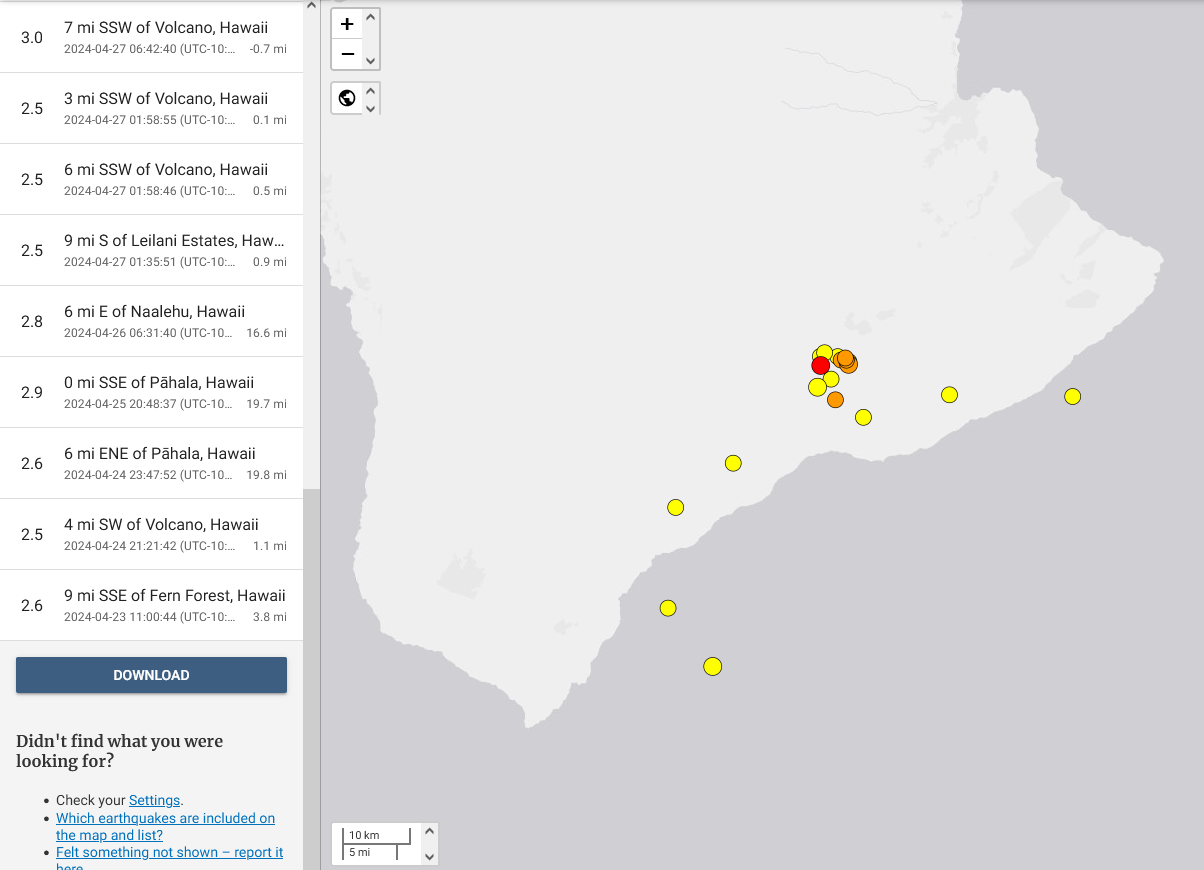
stock here: note the odd line of quake swerving through the ocean. Looks like a plate slide could occur. And a number of quakes in the 3.4 range, which is not big for many places, but IS BIG for Hawaii.
The topic of excess deaths worldwide following the COVID-19 pandemic has been extensively researched and documented, revealing significant impacts across various regions. Excess mortality, or the number of deaths above what would normally be expected, has been used as a critical measure to understand the full impact of the COVID-19 pandemic, beyond the officially reported COVID-19 death tolls.
Globally, estimates suggest that the actual number of excess deaths during the pandemic is substantially higher than the reported number of deaths directly attributed to COVID-19. Models and analyses have indicated that the total number of excess deaths could be two to four times higher than the reported COVID-19 deaths. This discrepancy is partly due to underreporting, the impact of the pandemic on healthcare systems, and indirect consequences of the pandemic, such as increased mortality from other health conditions
.
Specific data from 2020 to 2023 shows significant numbers of excess deaths in various countries. For example, Mexico reported 663,460 excess deaths, the United States 1,364,320, Brazil 898,130, and many European countries such as Italy and Germany also reported high numbers of excess deaths during this period
.
In the United Kingdom, particularly in England and Wales, the approach to calculating excess deaths has highlighted the importance of using age-standardised mortality rates (ASMRs) to account for changes in population size and structure. The Office for National Statistics (ONS) and the Institute and Faculty of Actuaries (IFoA) have used different methodologies and baselines, leading to varying estimates of excess deaths during the pandemic. Nonetheless, both indicate significant increases in mortality beyond what would be expected based on historical data. The analysis suggests that while COVID-19 remains a leading cause of death, a notable portion of excess mortality is attributed to other causes, including cardiovascular diseases and diabetes, which have seen increased deaths. These trends point to the broader impacts of the pandemic, including potential long-term health consequences of COVID-19 infections and the strain on healthcare systems
.
These findings underscore the complex and far-reaching impacts of the COVID-19 pandemic on global mortality, highlighting not only the direct toll of the virus but also the significant indirect effects on public health and healthcare systems worldwide.
It is outside the Overton Window to talk about some of the excess deaths being directly related to covid vaccine side effects like heart attack, blood clots, stroke, and especially on athletes–i don’t understand the athletes entirely but it seems to be that the adrenaline of competition sets off a bad chain reaction. ChatGPT
There’s been considerable discussion and research into the adverse effects associated with COVID-19 vaccines, including myocarditis (inflammation of the heart muscle), pericarditis (inflammation of the sac surrounding the heart), and thrombosis with thrombocytopenia syndrome (TTS), which involves blood clots and low platelet counts. While these conditions have garnered attention, it’s essential to contextualize their incidence rates, especially concerning athletes and young individuals.
Research conducted by Yale University identified an immune signature for rare cases of myocarditis following mRNA COVID-19 vaccination, primarily affecting young males. The study aimed to understand the causes of heart inflammation better and suggested that the incidence was not due to antibodies produced by the vaccine but rather a more generalized immune response. According to the Centers for Disease Control and Prevention (CDC), myocarditis occurred in about 22 to 36 per 100,000 males aged 12 to 17 within 21 days after receiving a second vaccine dose, whereas the incidence was higher at 50.1 to 64.9 cases per 100,000 following infection with the COVID-19 virus
.
The CDC has also reviewed the cases of myocarditis and pericarditis, particularly following mRNA COVID-19 vaccinations (Pfizer-BioNTech and Moderna), and found that while the risk exists, it remains low. For example, from December 14, 2020, through January 15, 2022, 41 cases of myocarditis and pericarditis were reported after receipt of the Pfizer-BioNTech vaccine, and 38 cases after the Moderna vaccine, with most patients hospitalized for one day or less
.
A comprehensive review in The BMJ of more than 8,000 reported cases from 46 studies confirmed that myocarditis is a rare but serious condition that tends to occur more frequently in young males shortly after their second vaccine dose, particularly with the Moderna vaccine compared to Pfizer-BioNTech. The review suggested that spacing the two doses more than 30 days apart could potentially lower the risk
.
Regarding athletes, the American College of Cardiology’s guidance for return-to-play (RTP) protocols post-COVID-19 infection emphasizes careful monitoring for cardiopulmonary symptoms. It recommends a detailed initial evaluation for athletes showing symptoms, and in cases of abnormal findings, further assessment including cardiac MRI is advised. The RTP guidance also supports a gradual return to exercise to closely monitor any new symptoms, indicating that the approach should be individualized based on several factors such as baseline fitness and severity of the COVID-19 infection
.
It’s important to consider the context of these risks relative to the broader benefits of COVID-19 vaccination, which include reducing the likelihood of severe disease, hospitalization, and death from the virus, as well as reducing the potential spread of COVID-19. The discussion around vaccine side effects, especially in athletes and young people, is ongoing, and further research is needed to fully understand the long-term implications. However, current evidence suggests that while there is a risk of myocarditis and other adverse events, these conditions are rare and typically mild, and the benefits of vaccination outweigh these risks.
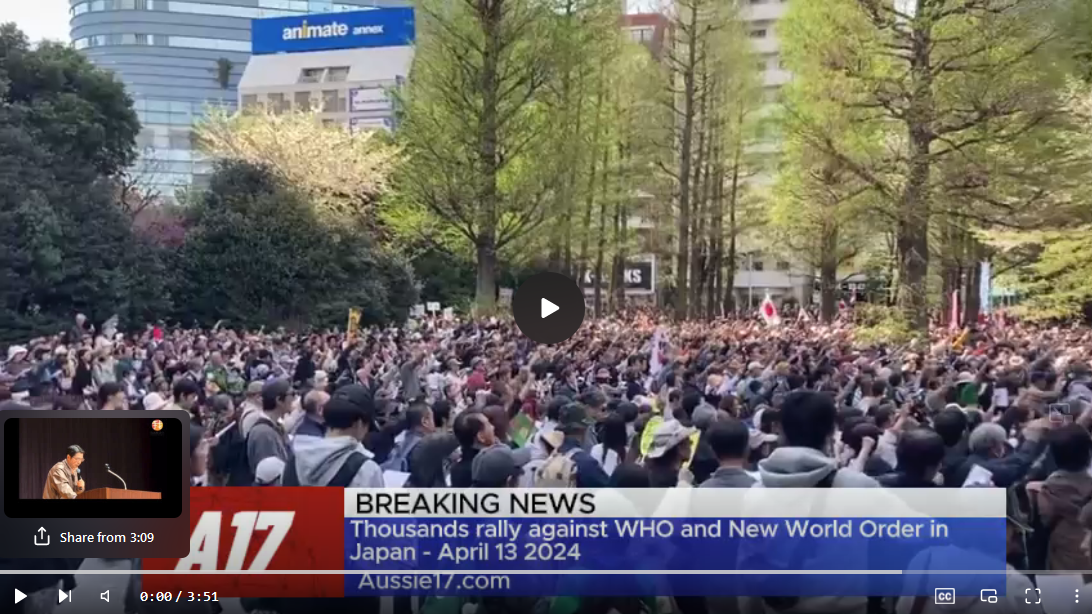
Dear subscribers, I am back! As usual, highlights are above; full interview below. Today, I bring you a recent interview with Prof. Fukushima (SOURCE) that was published on April 19, after the mass protest in Japan.
It is interesting to hear Prof Fukushima introduce himself. If you read the “brought to you by Pfizer” mainstream media and fake fact-checking websites, they simply paint Prof Fukushima as a fringe anti-vaxxer. But when you hear about his history, you get a sense that this was someone highly prominent before he went against the narrative of “safe and effective.”
As the most senior medical oncologist in Japan, Prof Fukushima has not only led the charge in establishing medical oncology as a key discipline but also pioneered the first cancer outpatient clinic at Kyoto University. His tenure at the Aichi Cancer Center Hospital and innovative leadership in translating research into actionable medical advancements, notably in pharmacoepidemiology, underscore a career dedicated to challenging the status quo for the sake of improving patient care. His early critique, published in ‘Nature’ all the way back in 1989, (35 years ago!), highlighted the risks of uncritically accepting and distributing drugs with unproven efficacy, exposing a deep flaw within the pharmaceutical approval process in Japan. This bravery in confronting pharmaceutical norms sparked significant reforms, showcasing his commitment to patient safety over complacency.
Prof. Fukushima highlights an alarming development in oncology known as “turbo cancer,” which has emerged following the use of experimental mRNA gene therapy. It’s important to note that while some “fact checkers” may dismiss “Turbo Cancer” as a nonexistent condition, as Wikipedia has done here, it actually refers to what is medically recognized as Hyperprogressive Disease. Therefore, should you encounter a retarded, bought and paid for fact checker on the term “Turbo cancer,” you can direct them to Hyperprogressive Cancer Disease.
As Prof. Fukushima describes, it is “a type previously unseen by doctors, characterized by its incredibly fast speed.” By the time such cancers are detected, they are already “in stage four, advanced cancer.” Indeed, Prof. Fukushima shared, “Doctors have been sensing from the field that something unusual related to cancer may be happening. They were feeling it on the ground.“
Furthermore, Prof Fukushima highlights that “specific types of cancer, in relation to the vaccination, seem to be experiencing excess mortality.” He specifically names cancers such as “breast cancer, ovarian cancer, thyroid cancer,” along with “esophageal and lung cancer,” and notably, “prostate cancer in men,” as being particularly affected. This rise in mortality among these specific cancer types post-vaccination “cannot be simply explained by disruptions such as early screenings being unavailable due to the pandemic, or lost opportunities for treatment,” suggesting a direct and concerning link between these “turbo cancer” cases and the mRNA gene therapy.
Prof. Fukushima then talked about a very sad case he came across. A young man, 28 years old, who was healthy and had never needed a doctor, died suddenly. This happened five days after he got his second Pfizer vaccine. His wife found him dead one morning. The police took his body to a hospital for an autopsy, where a doctor found something shocking. The man’s heart had become so soft and that it disintegrated.
This case really worried Prof. Fukushima. He thinks it shows how risky the vaccine can be, especially for people who were healthy and had no sickness before. He believes that such sudden deaths after vaccination are very serious. Prof. Fukushima is frustrated with the lack of media coverage on these critical issues. On that note, please help me share this as widely as possible because we cannot depend on the corrupt mainstream media.
He then points out that we are now witnessing a wide array of illnesses emerging more frequently. This includes autoimmune and neurodegenerative diseases, cancer, infections, and even rare and challenging conditions. Diseases previously unknown or seldom encountered by general practitioners are now becoming more common, raising significant concern about the unforeseen consequences of the experimental mRNA gene therapy.
Prof. Fukushima criticizes the World Health Organization’s (WHO) global vaccination strategy, criticizing its one-size-fits-all approach as fundamentally flawed given the vast diversity in medical infrastructure, cultural practices, and healthcare systems across countries. He argues that the diversity in healthcare systems and cultural contexts makes the idea of a universal vaccination campaign nonsensical. Drawing parallels with influenza vaccines, which he deems unsuccessful despite longstanding promotion, he questions the logic and efficacy of COVID-19 “vaccines”. Prof. Fukushima views the persistent promotion of vaccines, despite evidence of their limitations and risks, as irrational and akin to cult behavior rather than scientific reasoning.
He further expresses concern over the WHO’s power and decision-making process, emphasizing that national governments should not depend on the organization for vaccine-related decisions. Citing the example of varying COVID-19 outcomes in Middle Eastern countries, he suggests that less aggressive vaccination strategies have correlated with fewer health issues.
Prof. Fukushima asserts that the vaccine’s development was marred by misconceptions, misconduct, and what he strongly condemns as “evil practices of science.” He argues that such unethical scientific practices led to the creation of a fundamentally flawed and deceptive product. In his view, this represents not just a failure but a disgrace to humanity, driven by a cavalier attitude towards science by key institutions like the WHO. Prof. Fukushima’s call to action is a plea for science to return to its ethical foundations and to abandon practices he deems as fundamentally evil.
Below is a list of 72 types of Americans that are considered to be “extremists” and “potential terrorists” in official U.S. government documents.
1. “Those that talk about “individual liberties” 2. “Those that advocate for states’ rights 3. “Those that want “to make the world a better place” 4. “The colonists who sought to free themselves from British rule” 5.“Those that are interested in “defeating the Communists” 6.“Those that believe “that the interests of one’s own nation are separate from the interests of other nations or the common interest of all nations” 7. “Anyone that holds a “political ideology that considers the state to be unnecessary, harmful,or undesirable” 8. “Anyone that possesses an “intolerance toward other religions” 9. “Those that “take action to fight against the exploitation of the environment and/or animals”
10. “Anti-Gay” 11. “Anti-Immigrant” 12. “Anti-Muslim” 13. “The Patriot Movement” 14. “Opposition to equal rights for gays and lesbians” 15. Members of the Family Research Council 16. Members of the American Family Association 17. Those that believe that Mexico, Canada and the United States “are secretly planning to merge into a European Union-like entity that will be known as the ‘North American Union” 18. Members of the American Border Patrol/American Patrol 19. Members of the Federation for American Immigration Reform 20. Members of the Tennessee Freedom Coalition 21. Members of the Christian Action Network 22. Anyone that is “opposed to the New World Order” 23. Anyone that is engaged in “conspiracy theorizing” 24. Anyone that is opposed to Agenda 21 25. Anyone that is concerned about FEMA camps 26. Anyone that “fears impending gun control or weapons confiscations” 27. The militia movement 28. The sovereign citizen movement 29. Those that “don’t think they should have to pay taxes” 30. Anyone that “complains about bias” 31. Anyone that “believes in government conspiracies to the point of paranoia” 32. Anyone that “is frustrated with mainstream ideologies” 33. Anyone that “visits extremist websites/blogs” 34. Anyone that “establishes website/blog to display extremist views” 35. Anyone that “attends rallies for extremist causes” 36. Anyone that “exhibits extreme religious intolerance” 37. Anyone that “is personally connected with a grievance” 38. Anyone that “suddenly acquires weapons” 39. Anyone that “organizes protests inspired by extremist ideology” 40. “Militia or unorganized militia” 41. “General right-wing extremist” 42. Citizens that have “bumper stickers” that are patriotic or anti-U.N. 43. Those that refer to an “Army of God” 44. Those that are “fiercely nationalistic (as opposed to universal and international in orientation)” 45. Those that are “anti-global” 46. Those that are “suspicious of centralized federal authority” 47. Those that are “reverent of individual liberty” 48. Those that “believe in conspiracy theories” 49. Those that have “a belief that one’s personal and/or national ‘way of life’ is under attack” 50. Those that possess “a belief in the need to be prepared for an attack either by participating in paramilitary preparations and training or survivalism” 51. Those that would “impose strict religious tenets or laws on society (fundamentalists)” 52. Those that would “insert religion into the political sphere” 53. Anyone that would “seek to politicize religion” 54. Those that have “supported political movements for autonomy” 55. Anyone that is “anti-abortion” 56. Anyone that is “anti-Catholic” 57. Anyone that is “anti-nuclear” 58. “Rightwing extremists” 59. “Returning veterans” 60. Those concerned about “illegal immigration” 61. Those that “believe in the right to bear arms” 62. Anyone that is engaged in “ammunition stockpiling” 63. Anyone that exhibits “fear of Communist regimes” 64. “Anti-abortion activists” 65. Those that are against illegal immigration 66. Those that talk about “the New World Order” in a “derogatory” manner 67. Those that have a negative view of the United Nations 68. Those that are opposed “to the collection of federal income taxes” 69. Those that supported former presidential candidates Ron Paul, Chuck Baldwin and Bob Barr 70. Those that display the Gadsden Flag (“Don’t Tread On Me”) 71. Those that believe in “end times” prophecies 72. Evangelical Christians
stock, you could spend hours a day, their work is so slanted, and with obvious goals that are against the benefit of the average public. Remember when they came out in the injection campaign and said “you are not a horse, you are not a cow” i.e. don’t take that horsepaste to save your life. And when they said, aspirin was no longer consider a safe of effective anti-clotting mechanism, and you should not proceed with self treatment without the specific advice of your doctor.
State Approaches to Stopping Violence Against Health Care Workers
Then look at this arsehole commentor, swing what is probably mostly verbal “assaults” into “gun violence”. Shameful. New York.
———————————
Nina Agrawal, MD | City University of NY – School of Public Health
—————————
Thank you for raising awareness about gun violence in healthcare. While there is extensive discussion about criminal penalties for healthcare violence, there is no evidence that this is a deterrent. A public health approach to gun violence is lacking. We need to better define the problem and address the root cause. We need to require healthcare administrators to report data on all security threats, including weapon and the circumstances. Most mass shootings are intimate partner violence related, and this has been a frequent factor in healthcare violence. Please see my article on healthcare rage and shootings in
———————————- Now they are committed to publishing their propaganda faster, therefore with more deniability of negligence and just “we had to do it fast” therefore sometimes we might be wrong or not complete.
Dylan Matthews is a senior correspondent and head writer for Vox’s Future Perfect section and has worked at Vox since 2014. He is particularly interested in global health and pandemic prevention, anti-poverty efforts, economic policy and theory, and conflicts about the right way to do philanthropy.
—————————————————-
stock here: this is “hilarious” Its released into the 2nd half of 2024, but they are using “projections” of infant death in 2022 and 2023, ignoring data and papering it over with “projections”
————————————————–
This story is part of a group of stories called
Finding the best ways to do good.
The world has become a much safer place to be a young child in the last 50 years. Since 1974, infant mortality worldwide has plummeted. That year, one in 10 newborns died before reaching their first birthday. By 2021, that rate had fallen by over two-thirds.
A lot of factors drove this change: lower poverty and better nutrition, cleaner air and water, and readily available antibiotics and other treatments. But one of the biggest contributors, a new study from the World Health Organization (WHO) concludes, was vaccines.
Vaccines alone, the researchers find, accounted for 40 percent of the decline in infant mortality. The paper — authored by a team of researchers led by WHO epidemiologist and vaccine expert Naor Bar-Zeev — estimates that in the 50 years since 1974, vaccines prevented 154 million deaths.
stock here: he was “too genuine” out of the gate. The touting of his religiousness was bullshit designed to “win over” some non-secular Trumpers. He fuels inflation, fund death and destruction, and enhances spying and propaganda.
Surprised they don’t have him slaughter a baby or two in front of Baphomet. Just to mock us even more. Do they have something on him, or is he willingly playing his part as a puppet?
Reminder, ZH is controlled opposition, but that doesn’t make them completely useless.
All Global Research articles can be read in 51 languages by activating the Translate Website button below the author’s name (only available in desktop version).
To receive Global Research’s Daily Newsletter (selected articles), click here.
Click the share button above to email/forward this article to your friends and colleagues. Follow us on Instagram and Twitter and subscribe to our Telegram Channel. Feel free to repost and share widely Global Research articles.
Elsewhere, Harari elaborates on the reasons for his fellow elitists’ cold-hearted indifference to the fate of the vast majority of Earth’s inhabitants:
“If you go back to the middle of the 20th century … and you think about building the future, then your building materials are those millions of people who are working hard in the factories, in the farms, the soldiers. You need them. You don’t have any kind of future without them.”
What he means is that you – referring to the dominant social and financial elites of that era – still “needed” the labour of millions in the various fields of economic endeavour in order to turn a profit. Since then, how have things changed according to “futurologist” Harari?
“Now, fast forward to the early 21st century when we just don’t need the vast majority of the population, because the future is about developing more and more sophisticated technology, like artificial intelligence [and] bioengineering, most people don’t contribute anything to that, except perhaps for their data, and whatever people are still doing something useful, these technologies increasingly will make them redundant and will make it possible to replace those people.”
Elitist mouthpiece Harari deserves credit for blood-curdling honesty, if not for the morality of his and his masters’ “visions.” He is plainly signalling the view that this writer, the editors of this portal, its readers and the rest of mankind are expendable and apart from whatever economic utility they still might possess are bereft of any inherent dignity or value.
Harari and his immediate superior in the elitist nomenklatura, Klaus Schwab, technically are private individuals. Their organisational vehicle, the World Economic Forum, is a private NGO registered in Switzerland. Formally, they neither represent nor do they speak for any government or official structure with a proper claim to legitimacy. They have no licence to plan or arrange the future of humanity, beside the self-authorisation to do so which they and the oligarchical globalist power centres they commune and mingle with have arrogated to themselves. No one elected or empowered them to plan anybody’s future, other than their own, and even that strictly in their private capacity.
Yet disposing of the future of mankind is precisely what they presume to do, in Davos in plenary session once a year and the rest of the time in conspiratorial confabulation amongst themselves.
The nature of the “planning” in which they engage should be of deep interest and grave concern to everyone. Not just for the unbridled hubris it displays but more pointedly for the homicidal design that underlies it, on a vast and hitherto unimaginable scale which Raphael Lemkin was incapable of conceiving when he coined the term “genocide.”
It is indisputable that Harari speaks not just in his own or Schwab’s name. He is publicly articulating the ideological vision of a depopulated Earth, cleansed of human presence and tinged with occultist misanthropy. That vision is widely shared by the luminaries of his elitist set. A high profile member of that set, Bill Gates, has been insistently stressing the need to dispose of the useless multitudes by any means, fair or foul. One of Gates’ alarmingly explicit elocutions on this subject was removed by YouTube, allegedly for “violating community guidelines.” The real reason for expunging his remarks from the internet was the danger that they could raise an alarm amongst the targeted “flood victims,” provoking them to react with uncontrollable rage once they discovered what the elitist “visionaries” have in store for them.
These psychopathic serial killers (we should not mince words) using their vast financial, political and media (brainwashing) resources are inexorably putting into effect a homicidal global depopulation agenda. Depopulation, as Harari has honestly admitted, means physically eliminating as many human beings as they deem superfluous or useless for their purposes. The concept of population control, again not to mince words, is their code for global genocide.
The Club of Rome, one of the institutional components of the depopulation network, in a programmatic document published in 1974 could not have put the main principle of their genocidal philosophy more starkly: “The Earth has cancer and the cancer is Man.” Is it necessary to clarify that cancers are not nurtured and cultivated? Cancers are to be extirpated.
F. William Engdahl recently shined extraordinary light on the deep roots of the nefarious plan, discussed and implemented openly by its malevolent promoters in plain view of the intended victims. Engdahl has shown that perverts like Schwab and Harari are but public faces of a malevolent trans-generational scheme.
Engdahl quotes from a report issued by the Club of Rome, “The First Global Revolution.” It is admitted there that the CO2 global warming claims, serving as the convenient rationale to forcefully impose upon humanity an endless array of destructive structural changes, are merely an invented ruse.
That is because “…the common enemy of humanity is man. In searching for a new enemy to unite us, we came up with the idea that pollution, the threat of global warming, water shortages, famine and the like would fit the bill. All these dangers are caused by human intervention, and it is only through changed attitudes and behavior that they can be overcome. The real enemy then, is humanity itself.”
“The agenda,” Engdahl sombrely concludes, “is dark, dystopian and meant to eliminate billions of us ‘ordinary humans.’”
An important clarification needs to be made. Humanity is not the enemy, but is on the contrary the crown of God’s creation. And it is humanity itself that now is facing an implacable enemy, in this case a collective incarnation of the defining characteristic Edward Gibbon attributed to the depraved emperors Commodus and Caracalla: “common enemy of mankind.”
This time round, however, humanity is no longer facing the perverse eccentricities of an individual deviant. Today, it must confront Commodus’ and Caracalla’s collective personification, in the form of a depraved global oligarchy, imbued with dangerous delusions of omnipotence and impunity.
Why have we chosen to dwell on this dark subject? In the first place, because the intended genocide victims world-wide are entitled to be informed and naturally they also have the right to self-defence, in order to preserve their own and their families’ lives, as well as to ensure the integrity of their societies, cultures, historical memory, and way of life.
But there is also another important reason, to expose the cynicism and utter amorality of the genocidal fanatics who still are directing the destiny of a considerable portion of mankind and exert their energies continuously to regain complete control over the remainder.
Acting through their proxies Germany and Rwanda, recently joined by France and a few other puppet governments, they had the impudence to submit in the General Assembly of the United Nations a resolution to condemn and memorialise the fabricated “genocide” in Srebrenica, censuring for genocide a nation that throughout the twentieth century has itself been the target for effective extinction.
That is the very crime that they themselves are brazenly plotting to commit, not in some remote Balkan municipality but upon humanity as a whole.
*
Note to readers: Please click the share button above. Follow us on Instagram and Twitter and subscribe to our Telegram Channel. Feel free to repost and share widely Global Research articles.
Stephen Karganovic is president of “Srebrenica Historical Project,” an NGO registered in the Netherlands to investigate the factual matrix and background of events that took place in Srebrenica in July of 1995. He is a regular contributor to Global Research.
Featured image: Ted Talk video screenshot
Rethinking Srebrenica
By Stephen Karganovic
Rethinking Srebrenica examines the forensic evidence of the alleged Srebrenica “massacre” possessed by the International Criminal Tribunal for the former Yugoslavia (ICTY) in The Hague. Even though the ICTY created more than 3,500 autopsy reports, many of these autopsy reports were based on bone fragments, which do not represent complete bodies. An examination of the matching femur bones found reveals that there were only about 1,900 complete bodies that were exhumed. Of these, some 1,500 autopsy reports indicated a cause of death consistent with battlefield casualties. Only about 400 autopsy reports indicated execution as a cause of death, as revealed by ligatures and blindfolds. This forensic evidence does not warrant the conclusion of a genocide having taken place.
Karganovic examines the events that took place in Srebrenica in July 1995 in a wholistic manner instead of restricting it to a three-day event. The ten chapters cover:
1) Srebrenica: A Critical Overview;
2) Demilitarization of the UN Safe Zone of Srebrenica;
3) Genocide or Blowback?;
4) General Presentation and Interpretation of Srebrenica Forensic Data (Pattern of Injury Breakdown);
5) An Analysis of the Srebrenica Forensic Reports Prepared by the ICTY Prosecution Experts;
6) An Analysis of Muslim Column Losses Attributable to Minefields, Combat Activity, and Other Causes;
7) The Genocide Issue: Was there a Demonstrable Intent to Exterminate All Muslims?;
Disclaimer: The contents of this article are of sole responsibility of the author(s). The Centre for Research on Globalization will not be responsible for any inaccurate or incorrect statement in this article. The Centre of Research on Globalization grants permission to cross-post Global Research articles on community internet sites as long the source and copyright are acknowledged together with a hyperlink to the original Global Research article. For publication of Global Research articles in print or other forms including commercial internet sites, contact: publications@globalresearch.ca
www.globalresearch.ca contains copyrighted material the use of which has not always been specifically authorized by the copyright owner. We are making such material available to our readers under the provisions of “fair use” in an effort to advance a better understanding of political, economic and social issues. The material on this site is distributed without profit to those who have expressed a prior interest in receiving it for research and educational purposes. If you wish to use copyrighted material for purposes other than “fair use” you must request permission from the copyright owner.
stock here: most definitely, Hawaii is in a hard recession. Although prices are not deflating. Businesses are charging what they need to charge, at least what they think, and people in general are scared. Most see just more inflation in the future and therefore the competitive process to reduce prices, as has happened on the mainland, is not happening in Hawaii, at least not now. This is further crushing the islands.
Because we have not yet had an official recession the US Media, CNBC keeps discussing a soft landing, however I’ve always been the camp that a recession is coming, was simply delayed.
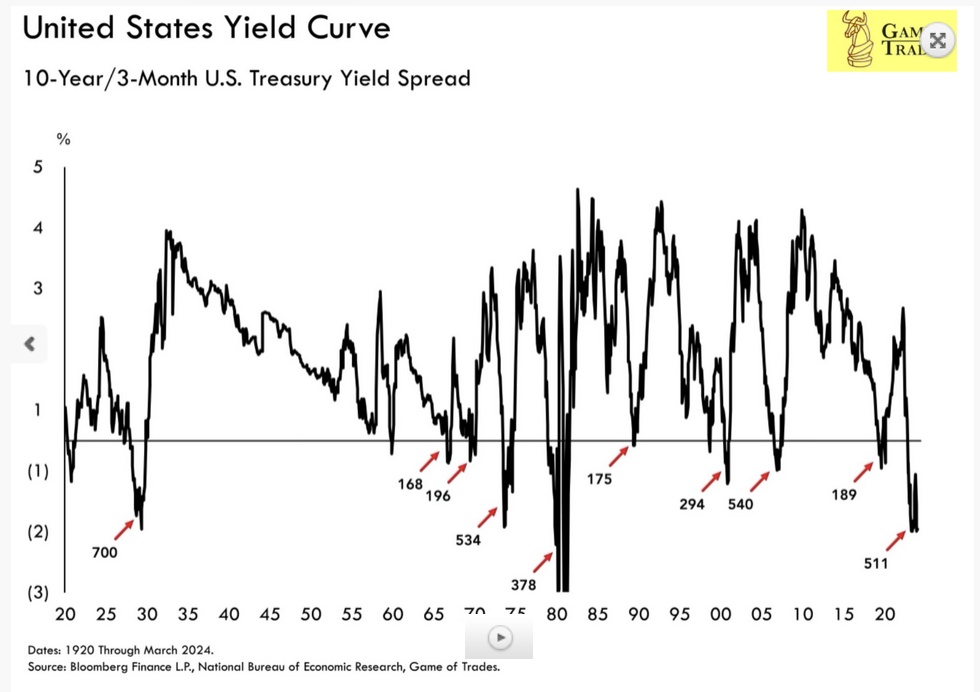
The yield curve has been inverted for over 500 days, we’ve only seen this 3 times in history:
1. 2007/2008 2. 1973/1974 3. 1927/1929
All 3 saw > 50% stock market drawdowns
Hopefully things don’t have to go through one of those major corrections/hard times like back then, but it would not surprise me, we all know something bad is eventually coming.
please give an expansive description of the yield curve inversion and the psychological processes that accompany it
ChatGPT
A yield curve inversion is a significant event in the financial markets that occurs when short-term interest rates are higher than long-term interest rates. In other words, it’s when the yield curve, which typically slopes upwards from shorter-term to longer-term maturities, flips and slopes downwards. This inversion of the yield curve is often interpreted as a warning sign of an impending economic recession.
Here’s an expansive description of the yield curve inversion and the psychological processes that accompany it:
Yield Curve Basics:
The yield curve is a graphical representation of the relationship between the yields (interest rates) and the time to maturity of bonds of the same credit quality but different maturities. Normally, longer-term bonds have higher yields to compensate investors for the added risk of holding the bond for a longer period.
Inversion Dynamics:
Yield curve inversions typically occur when investors become pessimistic about the economy’s future prospects. When economic uncertainty rises, demand for long-term bonds increases, pushing their prices higher and their yields lower. Conversely, short-term rates may remain steady or rise due to central bank actions or expectations of near-term economic tightening.
This inversion can occur due to various factors, including expectations of future interest rate cuts by central banks, concerns about economic growth slowing down, or fears of an impending recession.
Psychological Processes:
Risk Aversion: Investors become increasingly risk-averse when they anticipate economic troubles ahead. They seek the safety of long-term bonds, driving their prices up and yields down.
Expectations of Economic Downturn: A yield curve inversion reflects widespread beliefs among investors that economic growth will slow down or even contract in the future. This pessimism can become self-reinforcing as investors adjust their behavior based on these expectations, potentially leading to a downturn.
Anxiety and Uncertainty: Yield curve inversions often trigger anxiety and uncertainty among investors, policymakers, and the general public. There’s a fear of the unknown, as an inverted yield curve has historically been a reliable predictor of recessions.
Loss Aversion: Investors may also fear potential losses in the stock market or other riskier assets if a recession materializes. This fear can drive them to sell stocks and move into safer investments, exacerbating market volatility.
Confirmation Bias: Once a yield curve inversion occurs, investors and analysts may search for further evidence to confirm their beliefs about an impending recession. This can lead to a self-reinforcing cycle of negative sentiment and market behavior.
Market Impact:
Yield curve inversions can have significant impacts on financial markets. They often lead to stock market sell-offs, as investors reevaluate their risk exposure and adjust their portfolios accordingly. Additionally, they can influence central bank policies, with central banks potentially cutting interest rates to stimulate economic growth and counteract the recessionary pressures signaled by the inversion.
In summary, a yield curve inversion represents more than just an esoteric financial phenomenon; it’s a reflection of broader economic sentiment and can have profound psychological effects on market participants. It serves as a warning sign of potential economic trouble ahead, triggering anxiety, uncertainty, and shifts in investor behavior that can further influence market dynamics.
stock here: I don’t want to focus too much on the “Longhouse” metaphor, as much as looking at this explanation as one of the explanation for the funk that we find ourselves in. Please ponder and chime in. I have decided that the “longhouse” metaphor is for communal living, as in….we are all in this together so must must pull together to celebrate and care for the Personality Defects. Seems like the outcome should not surprise anyone, but to a leftist, that doesn’t matter, they can always say “our hearts were in the right place”.
Now, she has headed on over to NPR where she can use your tax money to fuck up the USA, and belittle you non-understanding racist white supremacists.
what is this? Cluster B Longhouse psychopathology.ChatGPT
“Cluster B” refers to one of the four clusters of personality disorders as outlined in the Diagnostic and Statistical Manual of Mental Disorders (DSM). These disorders are characterized by dramatic, erratic, or emotional behavior. The disorders included in Cluster B are:
Antisocial Personality Disorder: Characterized by a disregard for the rights of others, lack of empathy, and a pattern of criminal or impulsive behavior.
Borderline Personality Disorder: Marked by unstable relationships, self-image, and emotions, as well as impulsive behavior.
Narcissistic Personality Disorder: Characterized by a grandiose sense of self-importance, a need for admiration, and a lack of empathy for others.
The term “Longhouse psychopathology” doesn’t seem to be a standard term in psychology or psychiatry. It’s possible it could be referring to a specific theory, concept, or study related to personality disorders within the context of a longhouse, which historically was a type of communal dwelling used by various indigenous peoples. Without further context, it’s difficult to provide a precise interpretation.
This may somewhat clarify the Longhouse, but I still don’t see the nature of the phrase As psychologists have long known, there is a long-established link between violent personalities and left-wing authoritarianism. The mugshots of Antifa footsoldiers drive home the point. These are not mentally well people. They are the hideous face of anti-social violence, the enforcement arm of the modern left, and the political vanguard of our Cluster B society. And they will not stop until they have transformed the world in their own image. Enter The Longhouse Anonymous right-wing critics have taken to calling this strange new Cluster B regime “The Longhouse,” a matriarchal form of society that privileges the values of care, concern, and feminine social strategies. In an essay for the magazine First Things, the pseudonymous writer L0m3z explains that women now outnumber men in professional managerial roles and vastly outnumber men in Human Resource departments, which have outsized influence over professional and cultural norms. The left too is now acknowledging the emergence of the Longhouse. In her presidential campaign, Hillary Clinton confidently declared that “The Future Is Female.” And in an essay for The Atlantic, Hanna Rosen heralded this change with an essay titled, “The End Of Men.” Both were correct. But while some are celebrating the shift, our female future is not an unalloyed good. Despite what we’re told, biological sex differences are real. An imbalance between the two has negative effects for everyone. Taken too far, overly feminized leadership produces exactly the kind of Cluster B society we’re living in today, one in which identity is rewarded over merit, in which victimhood is prioritized over competence, in which anti-social behavior goes unchecked, in which moral narcissism is the currency of the realm. The Cluster B society is upon us and we must find a way out. We must find a way to restore balance, to restore order, to restore sanity, because if we don’t, we are resigned to a world gone mad. ChatGPT
The phrase “Cluster B Longhouse psychopathology” seems to be used in this context to describe a societal phenomenon characterized by the dominance of traits associated with Cluster B personality disorders (antisocial, borderline, histrionic, and narcissistic) within a framework metaphorically referred to as “The Longhouse.”
In this passage, “The Longhouse” is depicted as a matriarchal societal structure that allegedly privileges values traditionally associated with feminine social strategies, such as care and concern. The author suggests that this societal shift has led to an imbalance in leadership roles, with women outnumbering men in influential positions, particularly in areas like Human Resources.
The term “Cluster B” is then used to describe the societal consequences of this shift, implying that the leadership and cultural norms that have emerged are characterized by traits associated with Cluster B personality disorders. These traits are described as promoting identity over merit, victimhood over competence, and moral narcissism as the prevailing value system.
The overall argument appears to be critical of what the author perceives as the negative consequences of a shift towards a matriarchal societal structure, linking it to the emergence of what they term a “Cluster B society” marked by dysfunction and moral decay.
what is the metaphor of the longhouse? What was literally a longhouse in the past?ChatGPT
In literal terms, a longhouse was a traditional type of dwelling historically used by various indigenous peoples around the world, particularly in regions such as North America, Southeast Asia, and Oceania. These structures were typically elongated buildings constructed with a frame of poles and covered with materials like bark, thatch, or mats. Longhouses served as communal living spaces where extended families or entire communities resided together, often containing multiple hearths and compartments for different families.
Metaphorically, in the passage you provided, “The Longhouse” seems to represent a societal structure or system characterized by matriarchal influence and the prioritization of values associated with femininity. The metaphor suggests a shift towards a society where feminine social strategies, such as care and concern, are emphasized, potentially leading to a societal imbalance or dysfunction, as described in the passage’s critique.
Lithium iron phosphate (LiFePO4) batteries are considered a gold standard in battery technology for several reasons:
Safety: LiFePO4 batteries are inherently safer than other lithium-ion batteries, especially when it comes to thermal stability and resistance to thermal runaway events. This is due to the robust chemical structure of lithium iron phosphate, which is less prone to overheating and combustion compared to other lithium-ion chemistries.
Longevity: LiFePO4 batteries have a longer cycle life compared to other lithium-ion batteries. They can withstand a higher number of charge-discharge cycles without significant degradation, making them ideal for applications where longevity is critical, such as electric vehicles (EVs) and renewable energy storage systems.
Temperature Performance: LiFePO4 batteries perform well across a wide range of temperatures, both in terms of charging efficiency and discharge performance. This makes them suitable for use in extreme environmental conditions without sacrificing performance or reliability.
Environmental Friendliness: Lithium iron phosphate is composed of abundant and environmentally friendly materials, including lithium, iron, and phosphate. Unlike some other lithium-ion chemistries that contain cobalt, which has environmental and ethical concerns associated with its mining, LiFePO4 batteries have a lower environmental impact.
As for why Tesla hasn’t widely adopted LiFePO4 batteries in its electric vehicles, there are several factors to consider:
Energy Density: One of the key drawbacks of LiFePO4 batteries compared to other lithium-ion chemistries is their lower energy density. This means that for the same volume or weight, LiFePO4 batteries store less energy, resulting in reduced driving range for electric vehicles.
Performance: While LiFePO4 batteries offer advantages in safety and longevity, they may not provide the same level of performance in terms of power output and acceleration compared to other lithium-ion chemistries like lithium nickel manganese cobalt oxide (NMC) or lithium nickel cobalt aluminum oxide (NCA). Tesla’s vehicles are known for their high performance, and the company may prioritize chemistry that optimizes power output.
Supply Chain and Cost: Tesla has established supply chains and manufacturing processes optimized for other lithium-ion chemistries, such as NCA and NMC. Shifting to LiFePO4 batteries would require significant changes to its production lines and supply chain, which could involve substantial costs and logistical challenges.
Market Demand: While LiFePO4 batteries are well-suited for certain applications like stationary energy storage, the market demand for EVs with LiFePO4 batteries may be limited due to their lower energy density and potentially higher upfront costs.
Overall, while LiFePO4 batteries offer compelling advantages in safety and longevity, their lower energy density and potential performance trade-offs may limit their widespread adoption in electric vehicles like those produced by Tesla. However, they remain a popular choice for stationary energy storage applications where safety and longevity are paramount.