stock here: meant to be funny a little, the last def is to use literal in a way that is clearly not literal, that it is <sarc>.
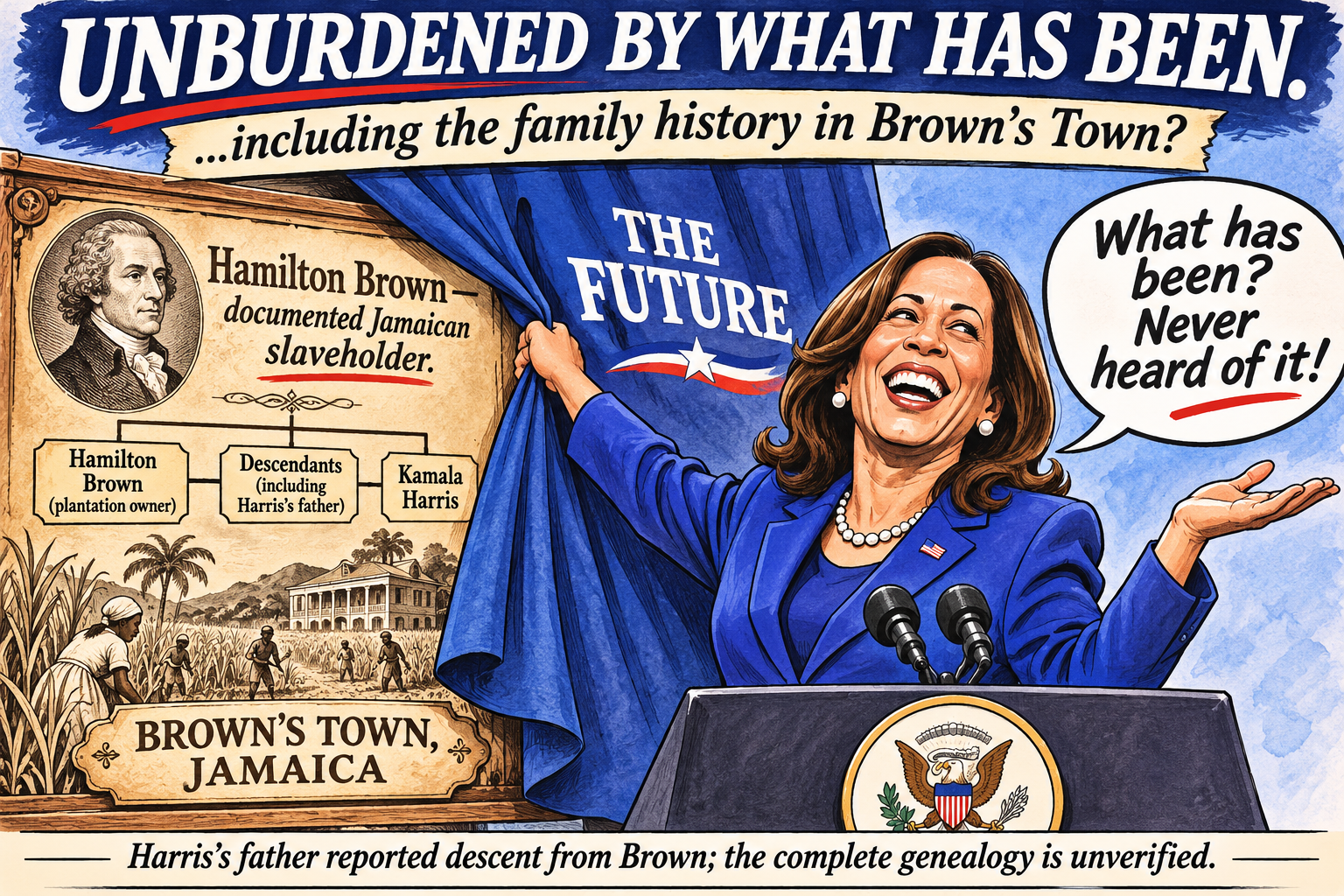
If we could just be unburdened by what has been…….
Fake Intellectualism, LIKE THIS
Why People Overuse and “Misuse” It
- Semantic Bleaching: Linguistically, “literally” has undergone semantic bleaching, a process where a word’s original, heavy-duty meaning fades over time, leaving behind a purely functional role as an intensifier.
- The Path of Intensifiers: This is the exact same historical path traveled by words like “really,” “truly,” “absolutely,” and “very” (which originally meant “truthfully” or “in a true manner” before turning into casual amplifiers).
- Hyperbolic Habit: People use it for dramatic flair and emotional emphasis in informal speech. Over time, frequent overuse makes it a filler word rather than a precision tool.
- Not New: While it feels like a modern habit, the hyperbolic (non-literal) use is centuries old and has been used in literature by famous authors like Mark Twain, Charles Dickens, and F. Scott Fitzgerald. [1, 2, 3, 4, 5, 6, 7, 8]
The Real Meanings of “Literally”
According to major dictionaries like Merriam-Webster and the Oxford English Dictionary, the word operates with a few distinct definitions: [1, 2]
- The Traditional / Exact Meaning:
- The Truth / Emphasis Meaning (Intensifier):
- The Hyperbolic / Figurative Meaning (Contronym):
- Definition: Used as an exaggeration or figure of speech to emphasize a strong feeling, joke, or dramatic point—often meaning “virtually” or “as good as,” even though it technically contradicts the first definition.
- Example: “I was so tired I literally died.” (You didn’t actually die; you were just very tired.) [1, 2, 3]