web analytics
Categories
Uncategorized

Bas Rutten

stock here: not a huge fan of violence, and this type of fighting could really result in injury. But this guy has never been on my radar. I trained in Aikido for many years, and my Sensei was the student of Morihei Ueshiba, the founder of Aikido (often translated as “the way of life”)
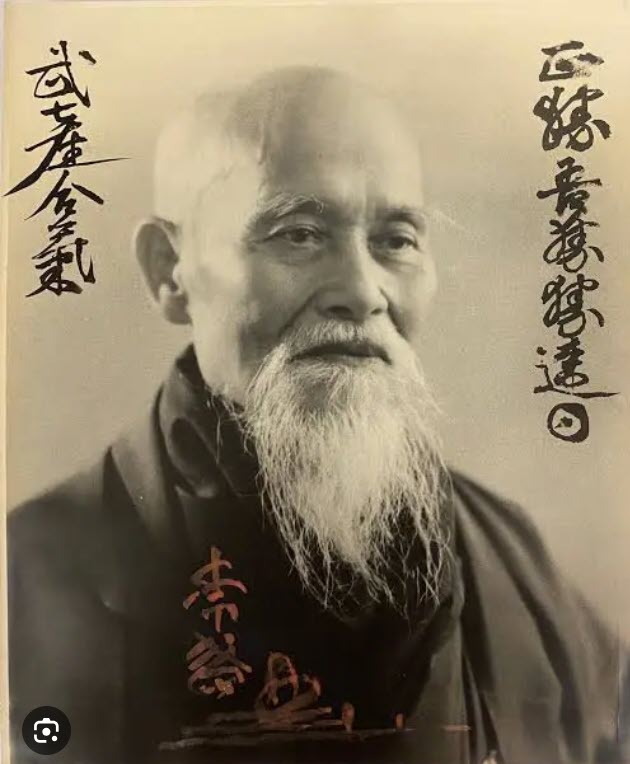
Quick story: Many westerners adopt Aikido thinking that it is elegant and 95% defensive, and more like “a dance”. The Aikidoists from the main Dojo in Tokyo came to train and celebrate with us in Hawaii. They trained hard, like full on martial arts, our best blackbelts were thrown and battered and “complained” that the Tokyo blackbelts were too hard on them. There is a lesson there, maybe ask Stephen Seagal, who is amazing but also somewhat questionable.

Story pau.

Now check out this fighter, unbelievable striking power, even brutal. Even his name is brutal.


Here is a clean, well-formatted blog post draft based on your transcript. It preserves your personal story, voice, and key points while organizing it into clear sections for an engaging read.

From Skeptic to Believer: My Journey Through Science, Supernatural Experiences, and Faith

When I was younger, I was the ultimate skeptic. I was the guy who needed to see things to believe them. I thought religion was foolish, and I believed I was the sole master of my own fate.

If you told my younger self that I would eventually return to faith, I would have laughed. But after a series of undeniable experiences—from scientific evidence of the soul to personal encounters with the supernatural—everything changed. Here is how I went from complete disbelief to finding solid answers.

1. The Childhood Question That Stuck With Me

Growing up, I dealt with severe health issues. I had terrible eczema and severe asthma that put me in bed for a week every few months. Because of heavy medications, much of my childhood memory is a blur.

However, one specific moment from when I was 10 years old remains crystal clear:

I was sitting in class, completely captivated by a tree outside the window. When the teacher snapped at me and asked what I was doing, I asked him: “Where do trees come from?”

He scoffed and said someone planted it. I replied, “I get that, but if you go to the tree before that, and the tree before that, all the way back… where do trees originally come from?”

At the time, nobody had an answer for me. I didn’t know it then, but that single question about origin and existence would come full circle decades later.

2. The Evidence for the Soul: Near-Death Experiences

As a teenager, I heard about Near-Death Experiences (NDEs). Skeptics often write them off as chemical reactions in a dying brain. But a documented case involving a Dutch surgeon in 1987 completely challenged my perspective.

The surgeon had patients who died on the operating table and were brought back to life. Repeatedly, these patients described floating to the ceiling and looking down. They could recall precise details, such as which tools were handed to which nurses while they were clinically dead.

To test this scientifically, the surgeon taped specific geometric shapes—a square, a triangle, and crosses—on top of the high surgical lights where no one standing in the room could see them.

When a revived patient accurately described those exact symbols on top of the lights, it became clear: consciousness and the human soul exist independent of the physical body.

3. Paranormal Encounters and Sleep Paralysis

In the late 1990s and early 2000s, after moving to California, my family and I experienced strange occurrences in our home.

  • Unexplained Sightings: We later learned the previous owner had passed away in the house. Multiple family members independently saw figures or felt a distinct presence.
  • Physical Pressure: I experienced harrowing episodes where I would wake up in the dark, completely unable to move my chest, feeling an intense physical weight smothering me.
  • Unexplainable Phenomena: One evening, while checking the house, I watched a heavy, thick curtain fly straight up against the ceiling on its own—despite every door and window being completely locked.

Experiencing these unexplainable, malevolent forces firsthand forced me to recognize that the spiritual realm is very real.

4. Connecting the Dots: The Return to Faith

In 2014, while at a conference in Las Vegas, I listened to a speaker named Leo Severino discuss how the universe was designed.

He opened his talk with an illustration: he tracked a fallen leaf back to its branch, back to the tree before it, and back through time to trace its ultimate origin.

Instantly, my mind flashed back to my 10-year-old self sitting in that classroom asking where the first tree came from. It felt like a seed planted decades earlier had finally bloomed. The logical chain of cause and effect led to one clear conclusion: something cannot come from nothing. There is a Creator.

Shortly after, my wife and I decided to get married in the Church. Looking back, what I once thought were random coincidences—specific churches, dates, and life events—were actually steps guiding me back toward faith.

Final Thoughts

I used to think freedom meant doing whatever I wanted without accountability. But looking back at where I started versus where I am now, I realize that seeking the truth requires keeping an open mind.

Whether it is the mystery of consciousness, the mathematical necessity of a First Cause, or personal encounters with things we cannot explain, there is far more to this life than what meets the eye.

Next Steps & Discussion

  • Add a Call to Action: You can end your post with a question for your readers (e.g., “Have you ever had an experience that made you question what you believe? Share your thoughts in the comments below!”).
  • Media: If you have photos of the backyard tile, the church, or relevant graphics, you can insert them between sections to break up the text.

Categories
Uncategorized

Hawaii Has Some Weather Coming In

stock here: just the way the clouds are forming is scary.

I pulled the current material. Your west / slightly south-of-west idea is supported, and the official NHC track discussion is now essentially saying the same thing.

At 1500 UTC Aug. 13, Tropical Storm Lala was near 15.2°N, 145.5°W, moving 280° at 9 kt — almost due west, with just a small northerly component at that instant. Maximum sustained winds were 35 kt.

More importantly, NHC’s current forecast has Lala approaching near or just south of the Big Island Saturday, potentially near hurricane strength.

On the atmospheric structure, I pulled the current GFS Central Pacific 850-mb, 500-mb, 200-mb and 200–850-mb shear products. Tropical Tidbits is indeed carrying all those fields specifically for Lala/01C in the current Aug. 13 run.

What I would take from the combined setup is:

  • 850 mb: this is the important lower-level steering layer, and the subtropical ridge north of Lala is providing a strong easterly component. That favors westward motion.
  • 500 mb: this tells us whether the ridge is vertically deep enough to steer a strengthening cyclone. At the moment the large-scale pattern is consistent with Lala continuing generally west rather than finding an obvious weakness and recurving north.
  • 200 mb: mainly useful here for outflow and shear, rather than track by itself. The current GFS product set explicitly includes the 200–850 mb shear field, which is what I would watch for whether Lala can vertically stack and strengthen.
  • NOAA’s Hawaii GeoColor loop is updating every 10 minutes, so the visible cloud motion is a very good reality check against the model fields.

So going back to your original picture: you were reading the overall pressure pattern correctly, even if technically the 1008 isobar isn’t “dragging” Lala. The broad ridge north/northeast of the cyclone is the steering mechanism.

Categories
Uncategorized

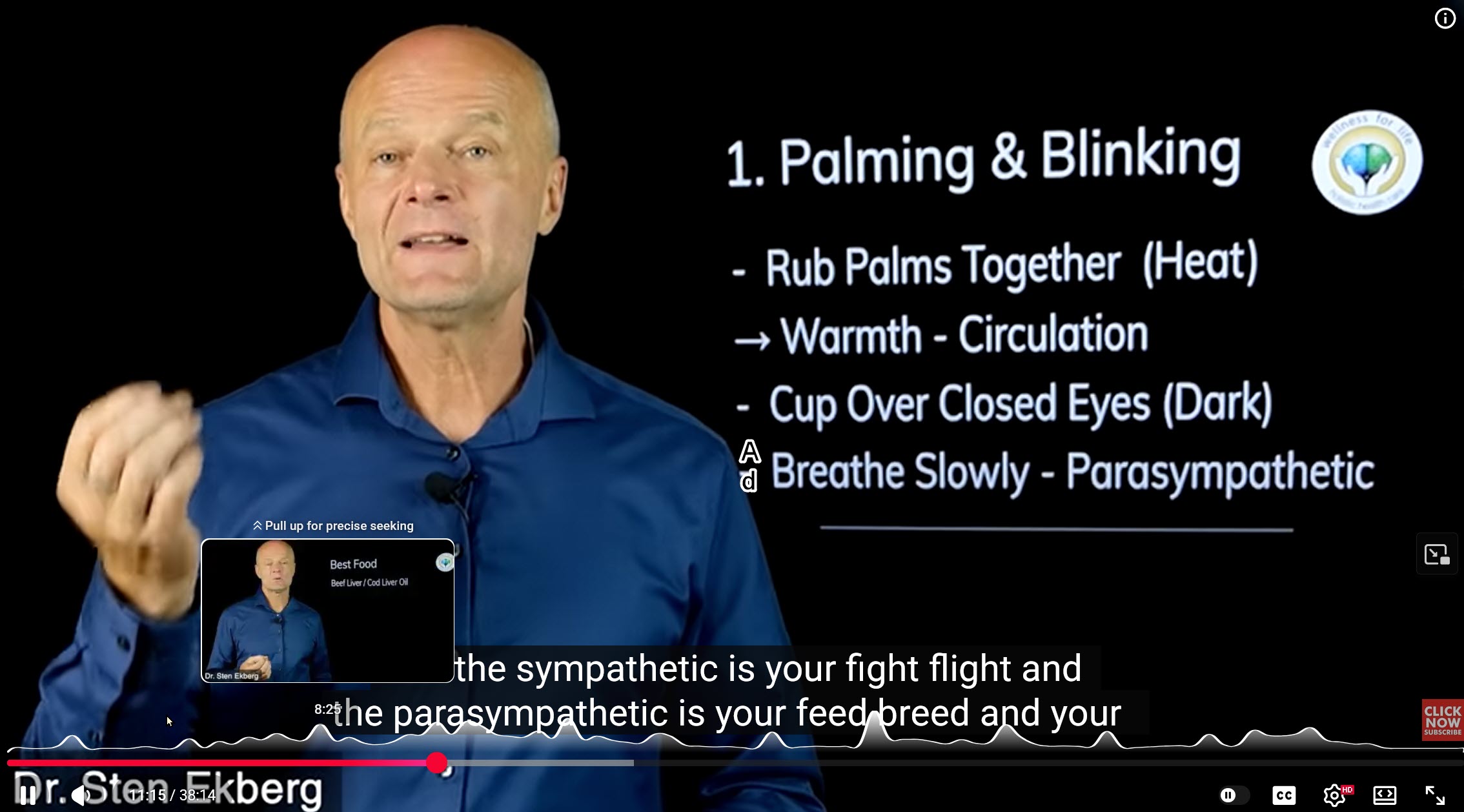
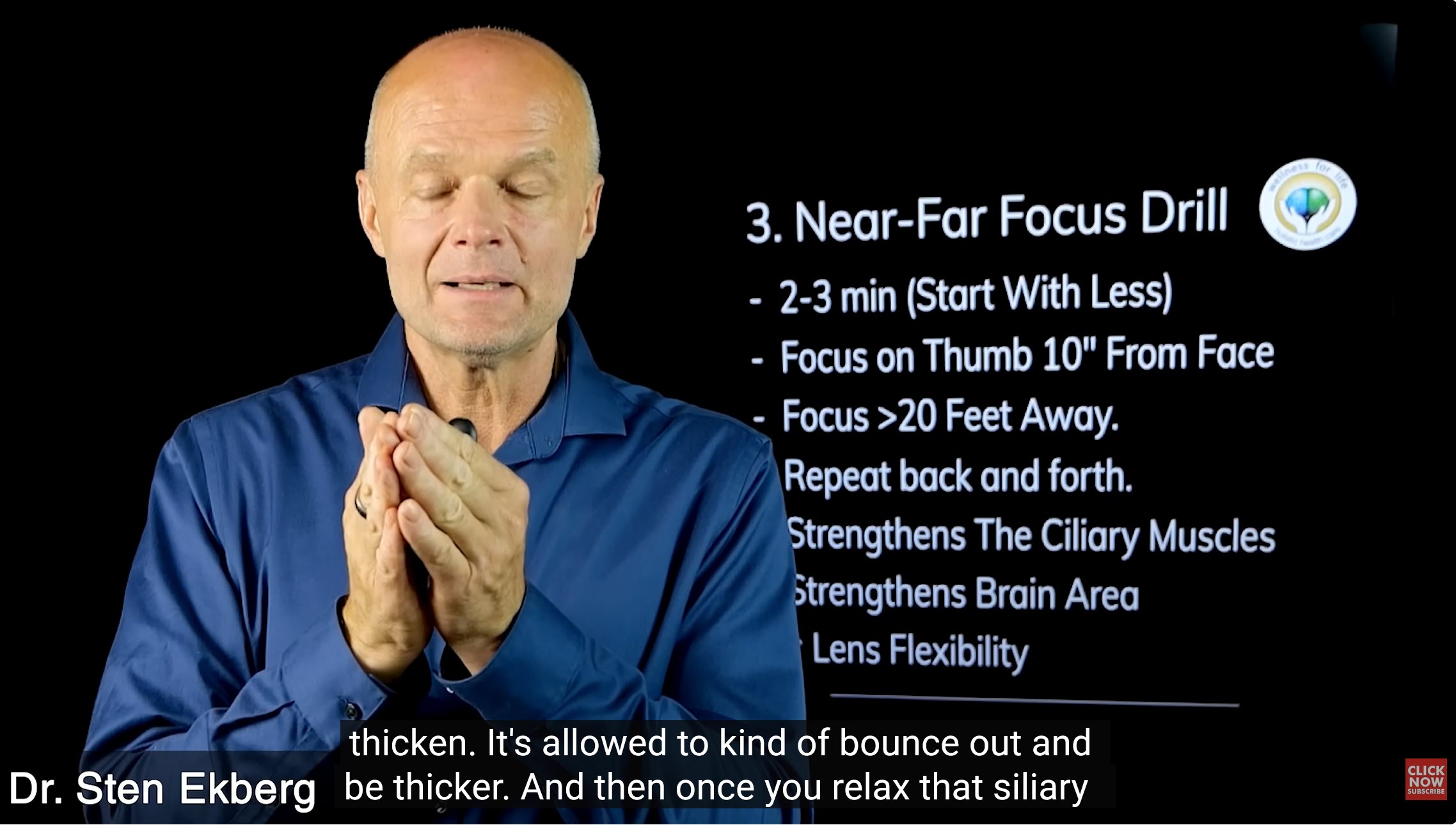
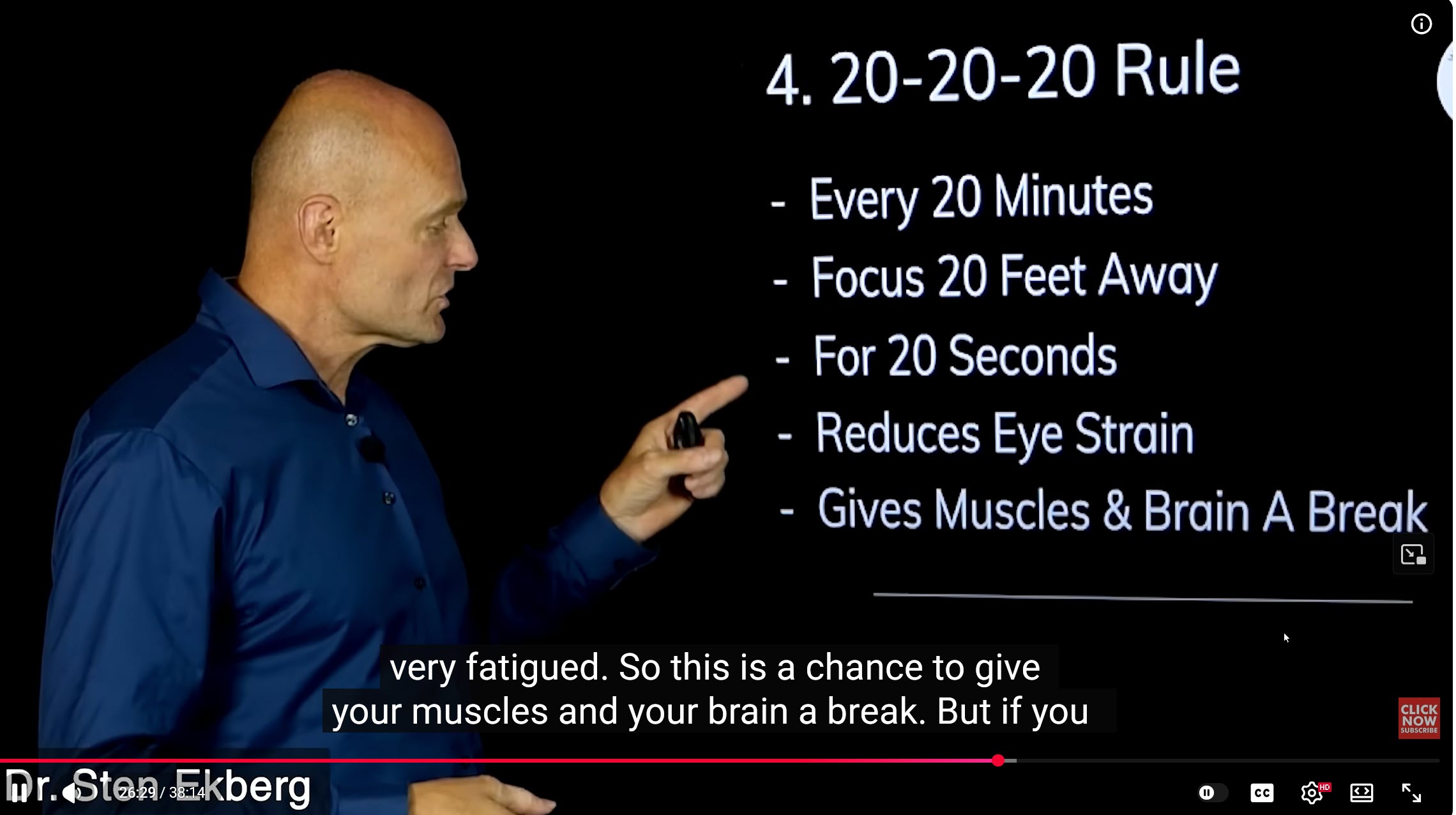
Is It Worth Exercising Your Eyes?

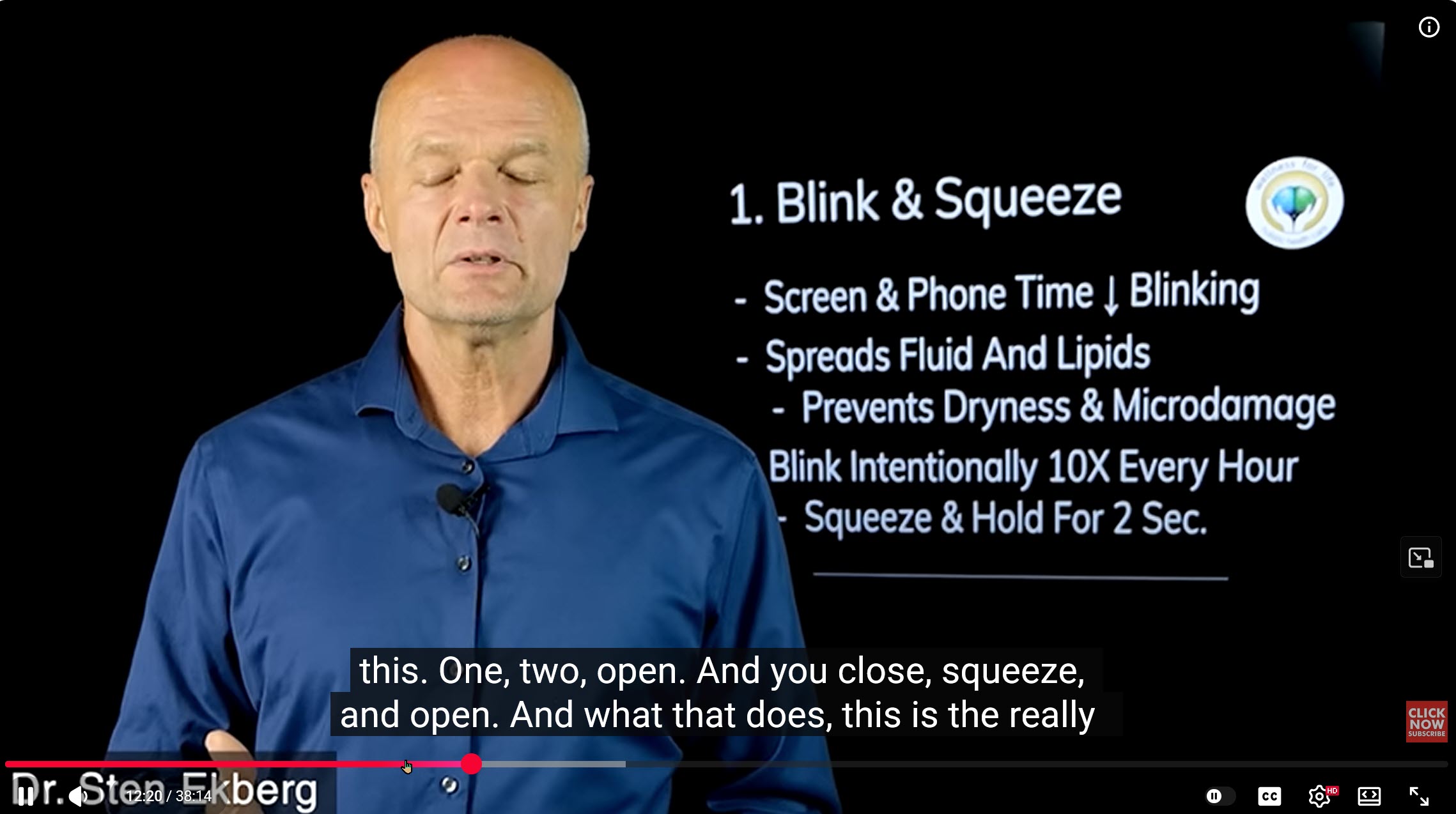
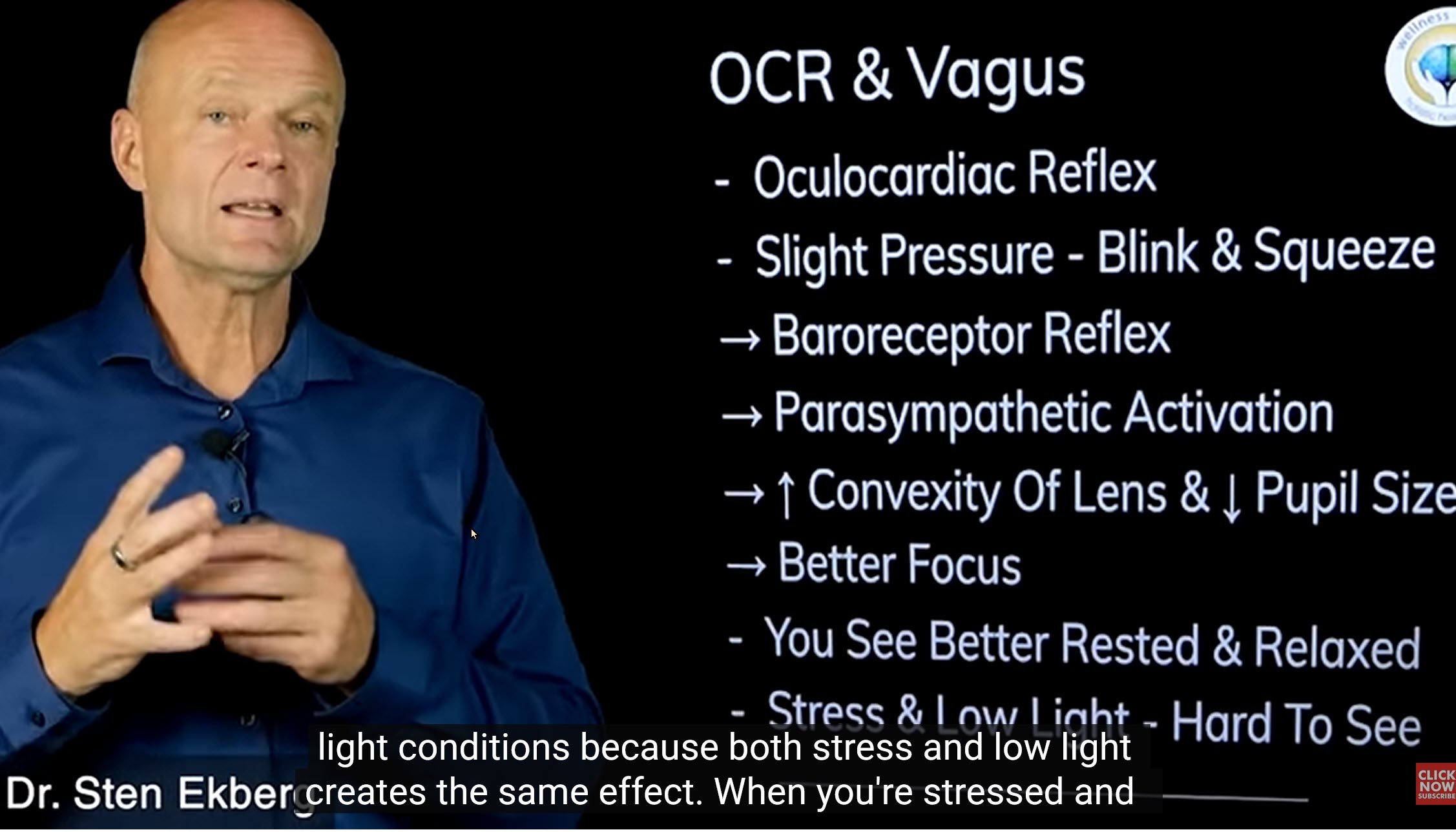
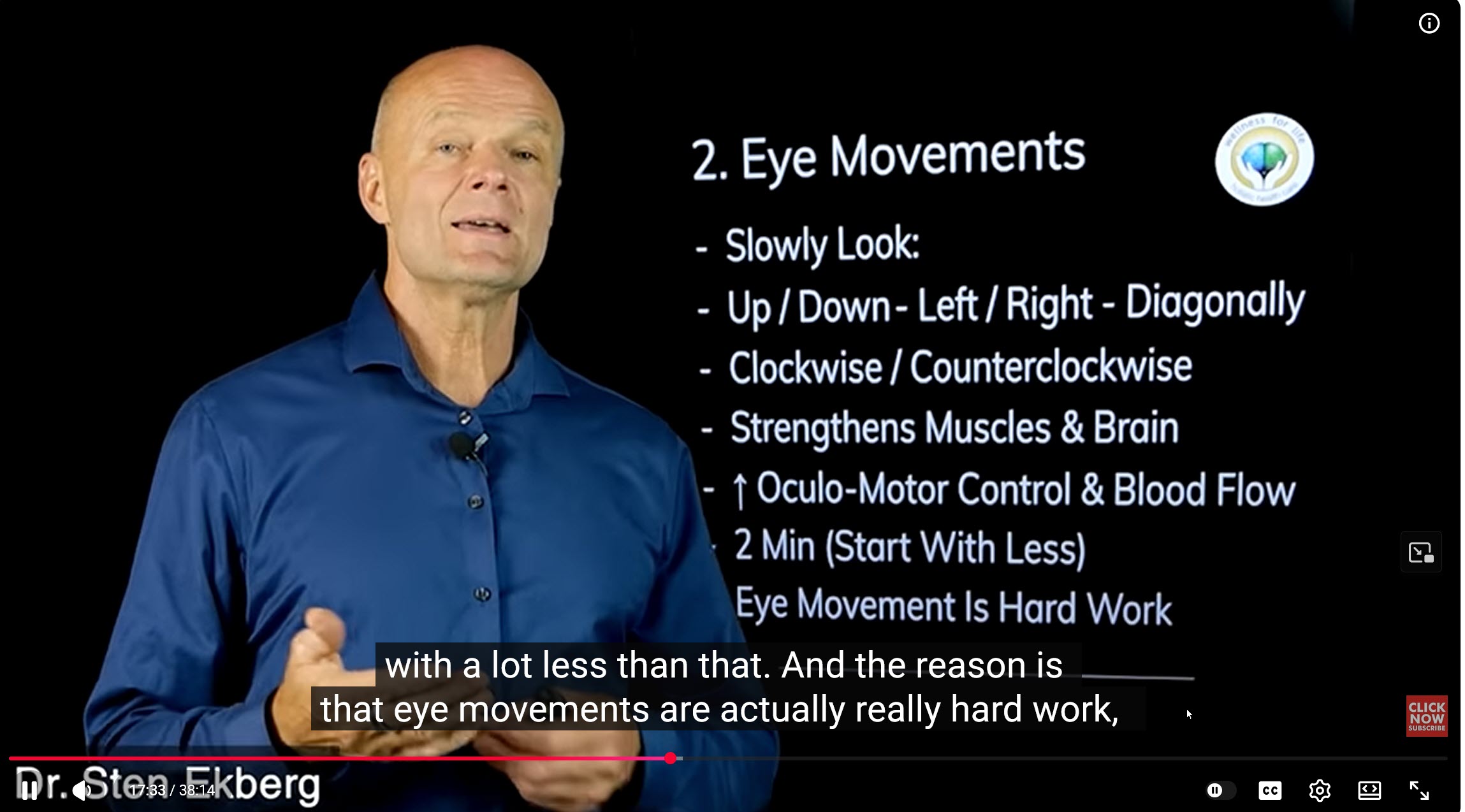
stock here: of course nutrition and exercise works on every part of your body, at some point we will spend more time messing around with glasses, keeping them present and clean, maybe even a few types….but what if 2 minutes a day could mitigate that?

I put some screen shots below the video, to me it’s not actionable, unless it can be reviewed in a reasonable time span. 98% of all YouTube videos are way too long. I am the goldfish attention span sound bite guy.

Funny how there are 2 number 1’s!

This is just background……

Categories
Uncategorized

Big Island! Kilauea Eruption 53, Live

stock here, h/t Cuttlefish, 4 awesome views on 1 screen actively managed. At bottom is a 500′ view from Wednesday.

Categories
Uncategorized

Perseid Meteor Shower, No Dark Sky? Use the Subaru Telescope on the Big Island

stock here: Keep in mind, Hawaii is either -4 or -5 compared to CST depending on the bogus “daylight saving time”

Categories
Uncategorized

Nukepro Link to the Old Archives

stock here: I am trying to copy a huge list of my old archives. The real tragedy, is that, per my computer guy, Google Blogger designs their “free program” to make it hard to leave them, and thus, all the images were lost in transferring to WordPress off of Blogger.

Blog Archive

Stats

Categories
Uncategorized

State of Nation, Investigations Jesuit Fauci, May 2021

stock here, this is quoted on one of my articles on my “archive” nukepro. I first published the “Hot Lots” in June of 2021, and keep writing articles until “they” destroyed my blog, hosted on MY paid website, into August of 2021. So I helped get the word out, it was picked up by many.

This site is still up, so many have dissappeared.

Categories
Uncategorized

NukePro Effectively Shadow Banned by Most Major Search Engines

stock here: this really is shameful. Truth is blocked, hidden. Lies are promoted. I am going to try some of these other Search Engines Links are here

The primary global search engines include Google, Microsoft Bing, Yahoo! Search, DuckDuckGo, Baidu, and Yandex. They help users find web pages, images, and videos across the internet. [1, 2, 3, 4, 5]

Major Global Search Engines

  • Google: The world’s top search engine with the largest index and market share.
  • Microsoft Bing: Microsoft’s core search engine and the second-largest worldwide.
  • Yahoo! Search: A widely used web portal powered by Bing technology. [1, 2]

Privacy-Focused Search Engines

  • DuckDuckGo: Blocks trackers and does not save search history.
  • Brave Search: An independent index built with a strong privacy focus.
  • Startpage: Delivers Google search results anonymously.
  • Swisscows: A family-friendly, semantic search engine based in Switzerland. [1, 2, 3]

Eco-Friendly & Alternative Indexes

  • Ecosia: Uses ad revenue to plant trees around the world.
  • Mojeek: A completely independent crawler that does not track users.
  • Kagi: A paid, ad-free, premium search experience. [1, 2, 3, 4]

International Search Engines

  • Baidu: The dominant search engine in China.
  • Yandex: The most popular search engine in Russia.
  • Naver: South Korea’s leading portal and search platform.
  • Seznam: A popular local search engine and portal in the Czech Republic. [1, 2, 3]

AI-Powered Search Engines

  • Perplexity AI: An conversational answer engine that cites live web sources.
  • ChatGPT Search: OpenAI’s conversational web search feature.
  • You.com: An AI-assisted custom search interface. [1, 2]
Categories
Uncategorized

2021 History of Intimimdation to Get Pregnant “Persons” to Take the mRNA Injections

stock here: Beyond evil.

In 2021, public health agencies and major professional medical organizations in the United States shifted from initial caution to actively promoting and recommending COVID-19 vaccination for pregnant individuals.

Here are 5 key events throughout 2021 that marked this promotion and recommendation push:

  1. CDC Preliminary Safety Study & Reassuring Guidance Update (April 2021)
    • Event: The New England Journal of Medicine published real-world data from the CDC’s v-safe pregnancy registry following over 35,000 pregnant individuals who received mRNA COVID-19 vaccines. The study found no red flags or increased risks of miscarriage or complications.
    • Impact: Following the published data on April 23, 2021, CDC Director Dr. Rochelle Walensky publicly expressed that the agency recommended pregnant individuals get vaccinated against COVID-19, easing earlier ambiguity.
  2. ACOG and SMFM Issue Strong Joint Recommendation (July 30, 2021)
    • Event: The American College of Obstetricians and Gynecologists (ACOG) and the Society for Maternal-Fetal Medicine (SMFM)—the leading medical associations for pregnancy care in the U.S.—updated their joint guidance to strongly recommend that all pregnant individuals receive a COVID-19 vaccine.
    • Impact: This marked a critical consensus among frontline healthcare providers, urging doctors, midwives, and OB-GYNs to proactively recommend the vaccine during prenatal visits.
  3. CDC Issues Official Urgent Clinical Recommendation (August 11, 2021)
    • Event: The CDC formally updated its guidance to explicitly recommend COVID-19 vaccination for all people who were pregnant, lactating, or planning to become pregnant.
    • Impact: New safety data analyzing pregnancies in early gestation showed no increased risk of miscarriage. The official stance triggered widespread public health communications and public service announcements targeted at expectant mothers.
  4. CDC Issues Health Advisory Alert (COCA) Warning of Severe Risks (September 29, 2021)
    • Event: The CDC issued an urgent Health Alert Network (HAN) advisory to healthcare providers and the public emphasizing that pregnant individuals faced a significantly higher risk of severe illness, ICU admission, mechanical ventilation, and death from COVID-19 compared to non-pregnant individuals.
    • Impact: The alert urgently called for increased efforts to boost vaccination rates among pregnant individuals, given that less than 31% of pregnant women had been vaccinated by late September 2021.
  5. U.S. Surgeon General Public Campaign Push (Late Summer / Fall 2021)
    • Event: U.S. Surgeon General Dr. Vivek Murthy and HHS leadership launched dedicated public service announcements, virtual town halls, and social media campaigns addressing common misperceptions about fertility and pregnancy.
    • Impact: Public health initiatives directly addressed vaccine hesitancy in expectant parents, emphasizing maternal-fetal protection and antibody transfer to newborns.
Categories
Uncategorized

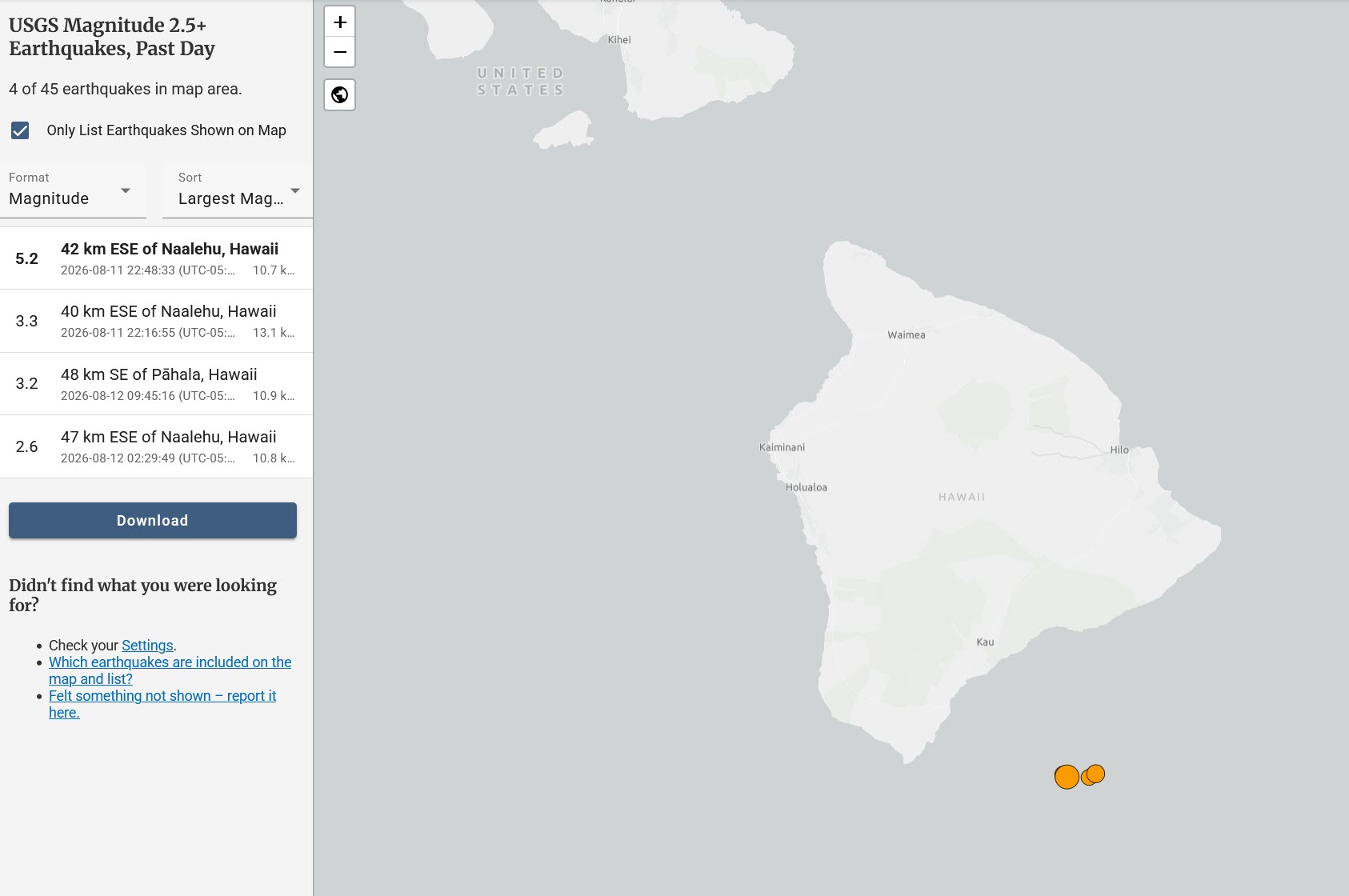
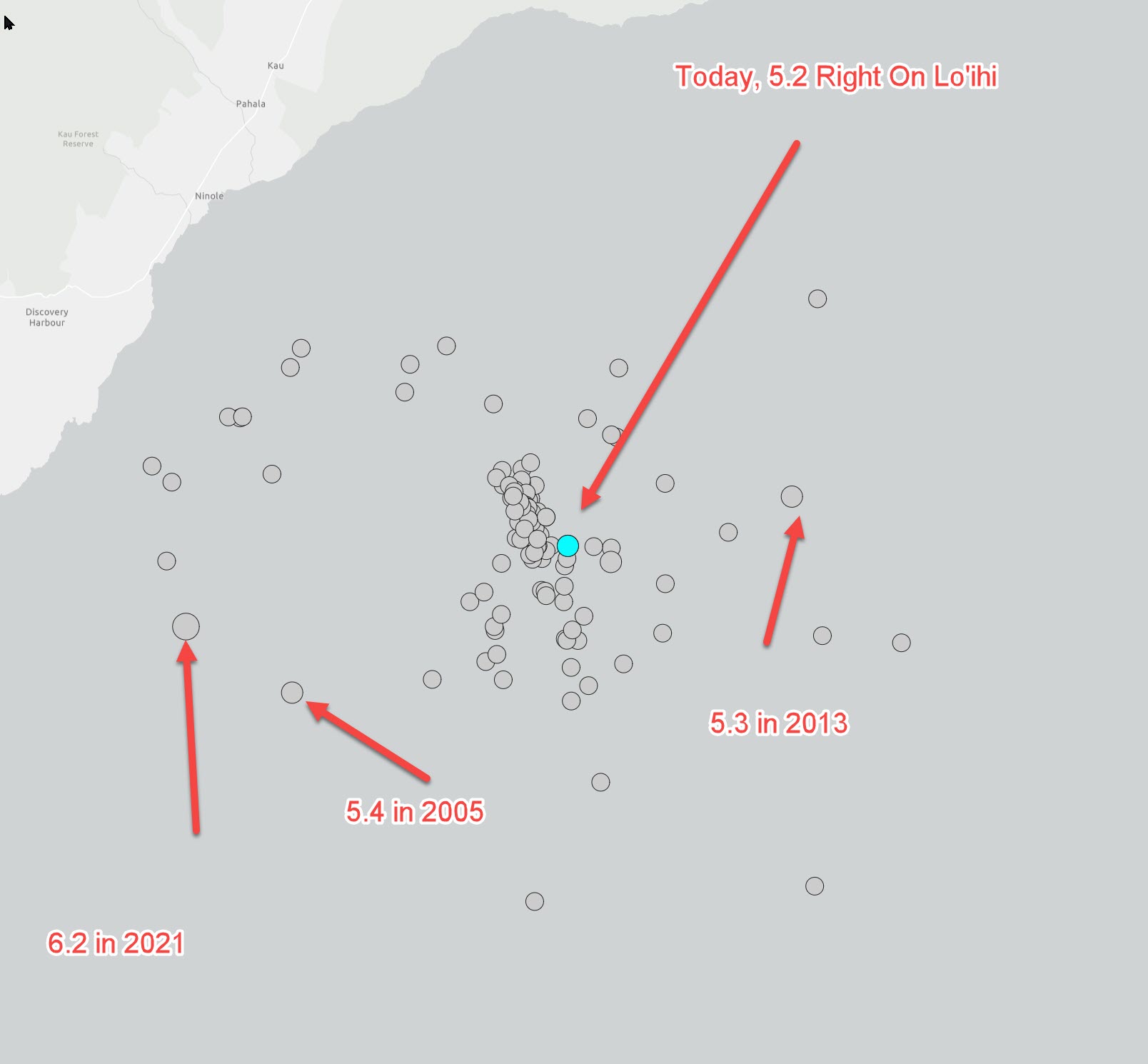
Massive EQ At Lo’ihi The Hawaii Big Island Area Underwater Volcano

stock here: I’ll add some historical data, but any 5.2 EQ anywhere in Hawaii is significant. Turns out this is the largest EQ right at Lo’ihi in 100 Years. Also significant, the depth was 40km, meaning this is at the same level as the lowest levels of the combined magma chamber for Moana Loa and Kilaeua. Meaning this could be creating a much larger “port” for deep earth magma.

Wikipedia has not been updated yet…..https://en.wikipedia.org/wiki/Kama%CA%BBehuakanaloa_Seamount

Lo’ihi was renamed in the height of the Jab program, especially as they started really pushing pregnant woman to inject the mRNA into their dual bodies. To be “more culturally appropriate”. Just part of the program to change people lives in as many ways as possible in order to create “great change”.

The name Kamaʻehuakanaloa is a Hawaiian language word for “glowing child of Kanaloa“, the god of the ocean.[10] This name was found in two Hawaiian mele from the 19th and early twentieth centuries based on research at the Bishop Museum and was assigned by the Hawaiʻi Board on Geographic Names in 2021 and adopted by the U.S. Geological Survey.[10][11] From 1955 to 2021 the seamount was called “Lōʻihi”, the Hawaiian word for “long”, describing its shape. The change to Kamaʻehuakanaloa was made in an effort to be more culturally appropriate given native Hawaiian traditions for naming.[12]

Categories
Uncategorized

Sen Ron Johnson, They Knew Jabbed Women Would Lose Their Babies

stock here: I had this research very early on, this is when it got fishy, disgusting. Over half the women that lost their baby did it on the day of the jab, or the next day. That was my original research. If time, I will find the spreadsheet, and send it to Mr. Johnson.

Categories
Uncategorized

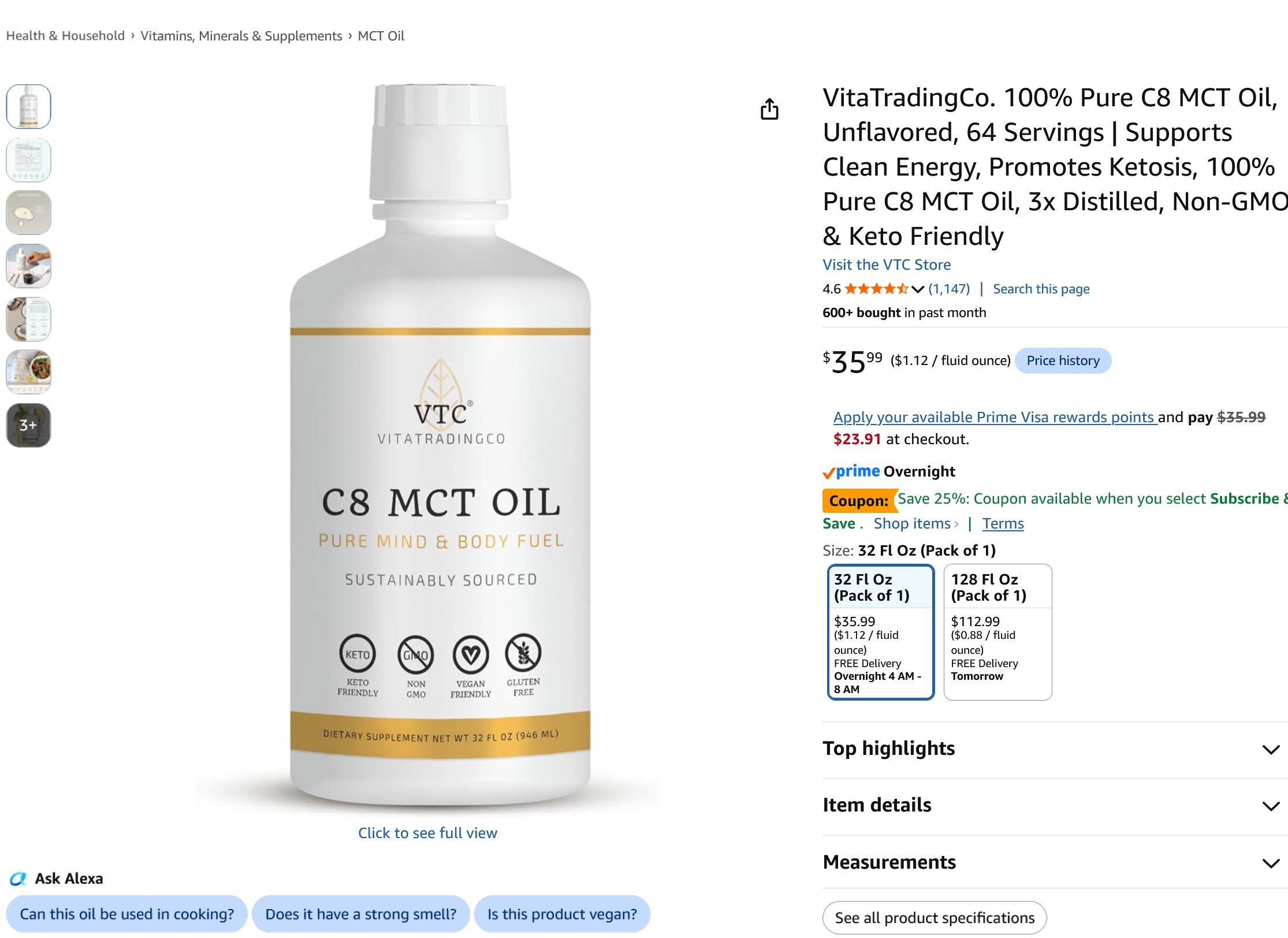
Is Health Really Primarily Adding Ketones? C8 MCT?

stock here: besides just being not fat…do the Ketones help the brain? I bought this.

Categories
Uncategorized

Philipine’s Earthquake, Massive Remaining Damage

stock here: this was on my radar but just barely, no idea the damage was so bad and so long lasting…..

==================

7.8 Earthquake Creates Sinkholes On Balut Island (Philippines Epicenter Near Indonesia)

Kumander Daot 253K subscribers 71,988 views Aug 9, 2026 BALUT ISLAND TWO MONTHS ON FROM THE STRONGEST EARTHQUAKE IN A GENERATION, BALUT ISLAND IS STILL DEVASTATED. Many families are still living in tents, under tarpaulins, or outside their homes in temporary shelters, as aftershocks cause fear.

Indeed, there were two major aftershocks while I was there, and many more earth shaking events. Sitio Highlander in Batuganding is Ground Zero, with even the most well built houses collapsing.

But in Barangay Lipul on the other side of the island, an interesting phenomenon has occured – sinkholes creates where volcanic ash blew through on land, or water and rocks on the ocean…

Categories
Uncategorized

DMSO, Alternate For Skin Cancers?

stock here: I still can’t get to a level of comfort in using DMSO on my own body.

Hello everyone. My name is Dr. Iggerov. I am a clinical oncologist practicing since 2010 in Russia. Today we are exploring a chemical chameleon of medicine: dimethyl sulfoxide, or DMSO.

Historically, it has been pigeonholed as two things: an industrial and pharmaceutical solvent, and a cryoprotectant needed to protect cells during freezing so they are not damaged. But modern science reveals a far more complex picture.

DMSO is emerging as a multifunctional agent with three evidence-based roles. Today we will explore the substance as a powerful drug-delivery vehicle, a bidirectional immune modulator, and a differentiation-inducing agent in cancer therapy.

So, let’s start our conversation.

This is a screenshot from a well-known journal, and it shows a randomized trial of topical ascorbic acid, a type of vitamin C, dissolved in DMSO and compared with imiquimod.

Imiquimod is a well-known cream for the treatment of local skin-cancer lesions such as basal cell carcinoma. What does imiquimod do? It attracts the immune system to attack the cancer and is a recognized treatment for many superficial and small basal-cell skin cancers.

The first role of DMSO is as a supreme delivery vehicle, and this has been demonstrated in clinical practice. This is its most established and practical application.

DMSO has a unique chemical structure that allows it to carry other drugs into tissues and let them penetrate deeper.

A 2022 basal-cell carcinoma trial tested 30% vitamin C, or ascorbic acid, in 95% DMSO versus standard imiquimod cream for skin cancer.

The result was that the DMSO-delivered vitamin C solution was more effective. It was almost 90% effective for clearance of these cancers and caused far fewer side effects than the standard treatment.

Critically, it left no hyperpigmented scars. Here, DMSO was considered not to be the drug itself, but rather the enabling technology. It made a high concentration of vitamin C deliverable, effective, and cosmetically superior to standard treatment.

As we know, high concentrations of vitamin C can become not antioxidant, but pro-oxidant. I covered this in lectures on intravenous vitamin C therapy for cancers. There are many clinical trials on this nowadays, especially involving resistant cancers such as pancreatic cancer or cancers with KRAS mutations.

Second, as I already told you, DMSO is an immune modulator, and this is where it gets fascinating.

It does not simply suppress immunity. It fine-tunes it based on concentration.

At low concentrations, less than 2%, it acts as a mild immune stimulant or irritant. Researchers found that it increases the release of histamine. Histamine is associated with allergy, but it is also a protective substance involved in inflammation.

As we know, acute inflammation is one of the body’s protective mechanisms, and this might potentially be harnessed to boost certain immune therapies.

At higher concentrations, above 2%, DMSO acts as a potent anti-inflammatory and immune suppressant. It blocks key inflammatory pathways such as NF-kappa B. This is part of the basis for its FDA-approved use in interstitial cystitis, an inflammatory condition of the bladder.

There is an interesting discovery that high-dose DMSO can reprogram naïve immune cells into regulatory T cells.

In simple words, these cells are the body’s peacemakers. They calm down immunity, allergies, and autoimmune attacks in people who have autoimmune conditions.

This is the basis for preclinical research involving, for example, type 1 diabetes and autoimmune conditions such as systemic lupus, rheumatoid arthritis, and even psoriasis.

What about cancer treatment?

In one study, an intravenous infusion regimen used a mixture of DMSO and sodium bicarbonate. The dosage was 500 milliliters of 40% DMSO infused intravenously.

The frequency was once daily for seven consecutive days, followed by a seven-day break, and this was repeated in cycles. In other words, one week of infusions followed by one week without infusions.

These were patients with very advanced, highly resistant cancers of the bile ducts.

The study reported reductions in pain and jaundice, meaning yellowing of the skin, as well as improved quality of life in these very advanced-stage patients.

There are some critical safety issues with this because we know that concentrations above 30%, when infused intravenously, carry a significant risk of hemolysis, meaning rupture of red blood cells due to high osmotic pressure.

The 40% concentration used in this trial was at the upper limit of what is often considered tolerable. This is, of course, a high-risk protocol requiring very careful medical supervision and monitoring for hemolysis, renal function, and other side effects such as nausea.

These IV DMSO protocols are still highly experimental, are not standardized, and should only be performed in clinical trials or clinical research centers.

I also told you that DMSO is considered a differentiation-induction agent in cancer therapy.

What does that mean?

Our normal cells are differentiated, meaning they have their own structure and function. They are highly beneficial for our body and do what they are supposed to do.

Cancer cells become less differentiated. They become more evolutionarily primitive, stop performing their normal functions, and stop obeying the body’s central mechanisms of regulation.

We want to make these cancer cells more differentiated so they are not as aggressive and become more like normal human cells.

One direction of oncology research today is differentiation therapy. Cancer cells can be immature, rapidly dividing, and nonspecialized, unlike our normal cells.

We try to use drugs to re-educate these cancer cells, forcing them to mature into more harmless cells that stop dividing.

The classic example is all-trans retinoic acid in the treatment of acute leukemia, where it can help cure this form of leukemia.

In a 2023 review, researchers compiled decades of laboratory research showing DMSO as a differentiation inducer.

For example, DMSO can force leukemic cells to mature into normally appearing neutrophil-like cells, causing them to lose their ability to proliferate, grow, and divide, thereby slowing or stopping the growth of the tumor.

It appears to work in part by upregulating tumor-suppressor genes in these cells.

That was leukemia. What about solid tumors and cancers such as sarcomas?

Studies show that DMSO can induce differentiation markers in lung cancer, ovarian cancer, prostate cancer, liver cancer, and sarcomas.

So DMSO is potentially a useful and inexpensive adjuvant to sensitize cancer cells to other treatments, help slow their growth, and potentially make them more vulnerable to chemotherapy, radiation therapy, or immunotherapy.

I also mentioned interstitial cystitis, or painful bladder syndrome, for which DMSO is approved.

The formulation is a 50% DMSO solution in water called RIMSO-50.

It is introduced into the bladder through a catheter. Usually, 50 milliliters is instilled into the bladder for 15 to 30 minutes before the patient voids.

Treatment is usually performed once every one to two weeks for approximately two months, and sometimes maintenance therapy is needed.

What about safety and critical caveats?

This is not a recommendation for self-treatment.

Purity is non-negotiable. Only pharmaceutical-grade DMSO should be used medically. Industrial-grade DMSO can contain contaminants and may be dangerous.

What about side effects?

DMSO commonly produces a garlic-like smell or taste. It can cause skin irritation at high concentrations, and when high concentrations are injected intravenously, it can cause rupture of red blood cells.

There is also the generic-compound problem.

DMSO is old, inexpensive, and non-patentable. That creates a major financial disincentive for large pharmaceutical companies to fund the large-scale clinical trials needed to prove its efficacy as a primary adjuvant for cancer treatment.

That is one reason why it is not part of standard oncology protocols today.

What has been demonstrated in humans is primarily its usefulness as a drug-delivery vehicle.

There is also compelling preclinical evidence that it acts as an immune modulator and may potentially be part of differentiation therapy, but we still need large clinical trials to prove its efficacy in cancer treatment, determine the proper doses, and identify which cancers may respond best.

A few words about additional side effects and oral use.

One commonly reported effect is a garlic-like mouth taste.

There have also been clinical trials involving inflammatory bowel disease, including Crohn’s disease and ulcerative colitis. In these studies, oral DMSO formulations containing 500 milligrams of DMSO were taken four times per day, and the studies reported a decrease in relapse rates.

I also want to underline that there are unofficial oncology protocols found on the internet that recommend taking DMSO orally.

Some suggest putting four drops of pharmaceutical-purity DMSO into water and drinking it, gradually increasing the amount to ten drops per intake as tolerated, or approximately 40 drops per day.

However, it can cause allergic reactions, stomach irritation, and discomfort in some people.

Again, oral DMSO cannot currently be recommended for cancer management because there have not been adequate clinical trials establishing its effectiveness and safety for this purpose.

That is why, officially, we cannot recommend it as oncologists.

Thanks for watching, and thank you for supporting this channel. My name is Dr. Iggerov. If you like this video, subscribe, and I will see you in the next series.

Have a good day and goodbye.

Categories
Uncategorized

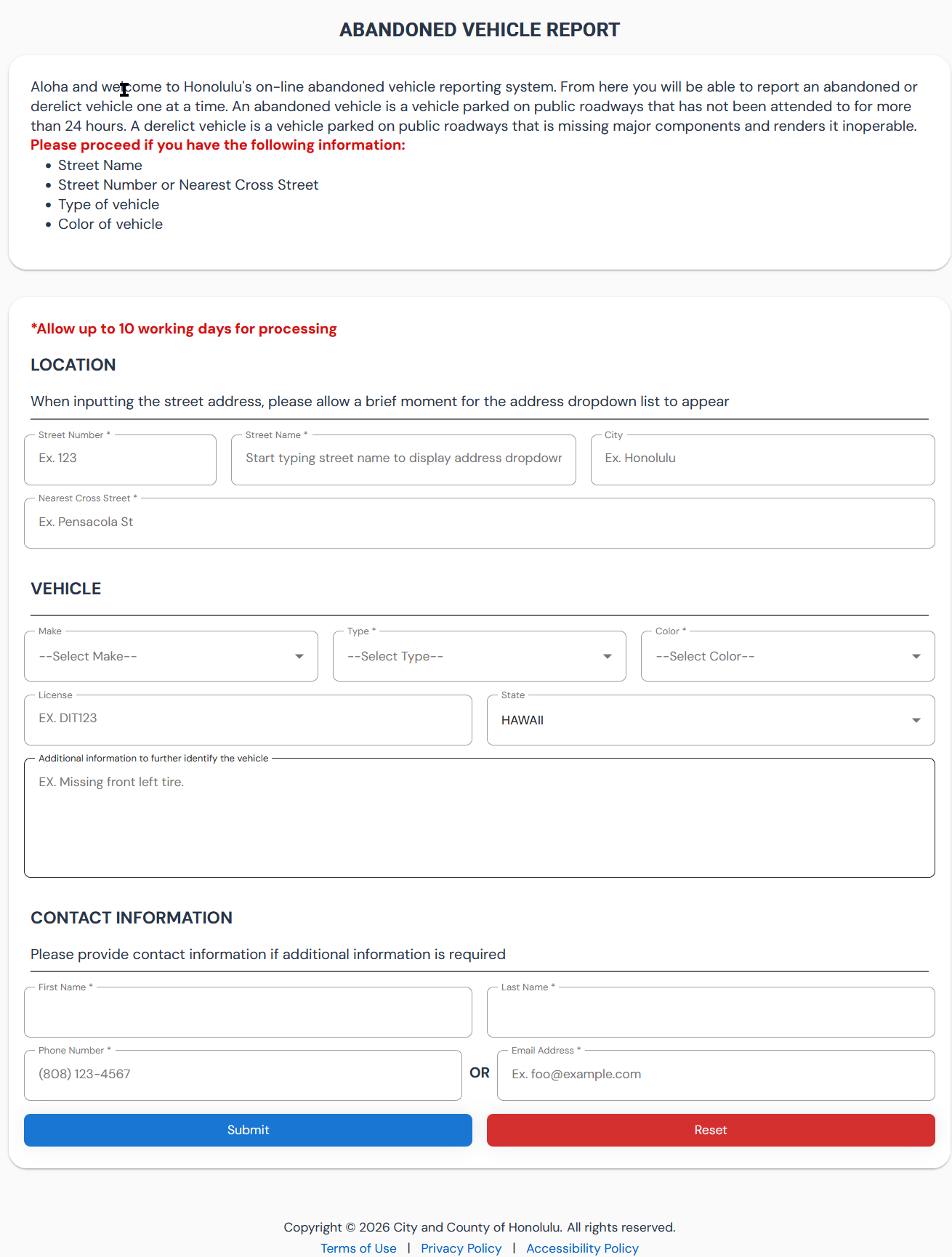
Junk Nearly Abandoned Cars Turning Your Neighborhood Into a Shithole with Not Enough Parking?

stock here: This is becoming a problem, especially in Honolulu where some streets are literally the Horse and Cows paths of old. Honolulu doing something correct.

https://web5.hnl.info/pav

Categories
Uncategorized

What to Put On Your Door, That the Demons Are Mitigated Against Entry

stock here: Thanks to Miss Frill

Summary below. Holy Water, Holy Salt. Blessed by the Holy Hill Basilica

======================

What to Put on Your Door for Spiritual Protection: A Catholic Approach to Protecting the Home

For Christians, the front door is more than wood, glass, hinges, and a lock. It is the physical threshold between the home and the outside world.

Within Catholic tradition, that threshold can also serve as a visible reminder that the home belongs to God.

The idea is not that a blessed object functions as a magical charm. Catholic sacramentals are not magic, and they are not substitutes for prayer, faith, confession, or the sacraments. Rather, they are physical things set aside through the prayer of the Church to help turn our minds and our homes toward God.

The Biblical precedent is ancient.

In Exodus, before Israel departed Egypt, the Israelites were instructed to mark the doorposts of their homes with the blood of the Passover lamb:

“When I see the blood, I will pass over you.”

The marked doorway represented covenant, obedience, sacrifice, and belonging to God.

For Christians, the ultimate fulfillment of that image is Christ—the Lamb of God—and His victory through the Cross.

So what can a Catholic actually place at the entrance of the home?

1. A Blessed Crucifix Above the Door

Perhaps the simplest and most recognizable choice is a blessed crucifix mounted above or near the main entrance.

The crucifix is not merely decoration.

It represents Christ’s sacrifice on Calvary and His victory over sin and death. Placing one at the entrance of a home is a visible declaration:

This house belongs to Christ.

It also reminds everyone entering and leaving the house that Christian life is supposed to remain centered on Him.

Ideally, have the crucifix blessed by a priest.

2. A Blessed St. Benedict Medal

Another traditional Catholic sacramental associated with spiritual protection is the St. Benedict Medal.

The medal contains a remarkable series of symbols and abbreviated Latin prayers centered upon the Cross and the rejection of evil.

Among the prayers represented on the medal are words commonly translated as:

“May the Holy Cross be my light.”

“Let not the dragon be my guide.”

And:

“Begone, Satan.”

Because of this explicit spiritual-warfare symbolism, some Catholics place a blessed St. Benedict Medal in or above the frame of their primary doorway.

There are also St. Benedict crucifixes that combine the medal with a crucifix into a single sacramental.

Again, the object itself is not considered magical. Its meaning comes from Christ, the Cross, the prayer of the Church, and the faith with which the sacramental is used.

3. Keep Holy Water Near the Entrance

Holy water is probably the easiest Catholic sacramental to incorporate into everyday home life.

Rather than leaving a bottle forgotten in a cabinet, consider keeping holy water in a small container near the front door.

When leaving or returning home, make the Sign of the Cross.

You can also periodically bless the doorway and rooms of the house while praying.

Holy water carries an obvious connection with Baptism—the sacrament through which Christians are washed and brought into the life of Christ.

Its purpose is therefore much deeper than “warding something off.”

It reminds us who we are and to Whom we belong.

4. Blessed Salt

Blessed salt has an ancient place in Christian tradition.

Salt appears repeatedly in Scripture as a symbol of preservation, purification, and covenant.

Christ Himself told His disciples:

“You are the salt of the earth.”

In older Catholic rites, salt could be blessed using prayers specifically asking God for protection against evil.

Some Catholics therefore keep a small amount of blessed salt near the entrance of the home, place it discreetly in rooms, or use it in conjunction with holy water.

As with all sacramentals, however, the distinction is crucial:

Ordinary sodium chloride has no supernatural power.

The significance lies in the blessing, the prayer of the Church, and the faithful disposition of the person using it.

5. Have a Priest Bless the House

More important than accumulating religious objects is something Catholics sometimes overlook:

Ask a priest to bless your home.

A traditional house blessing involves prayer over the household and the rooms of the home, often including the entrances.

This is not something reserved for haunted houses or extraordinary circumstances.

House blessings are an ordinary part of Catholic life.

One particularly old custom occurs around the Feast of the Epiphany, when a home may be blessed and the doorway marked with blessed chalk.

A traditional inscription might look something like:

20 + C + M + B + 26

The letters are associated with the traditional names of the Magi—Caspar, Melchior, and Balthasar—but they are also understood as an abbreviation of the Latin:

Christus Mansionem Benedicat

Meaning:

“May Christ bless this house.”

None of This Is a Spiritual Force Field

This may be the most important point.

A crucifix, St. Benedict Medal, holy water, blessed salt, and even a formal house blessing should not be treated as a supernatural security system operating independently of the people living inside the house.

That would turn sacramentals into superstition.

Catholic spiritual teaching instead connects the use of sacramentals with an entire Christian way of life:

  • Prayer
  • Confession
  • Reception of the Eucharist
  • Forgiveness
  • Avoidance of serious sin
  • Scripture
  • Fasting
  • Family prayer
  • Trust in Christ

Someone could theoretically cover every doorway with medals and crucifixes while simultaneously living in ways completely opposed to the faith.

The religious objects themselves cannot substitute for conversion.

Look at What You Allow Into the Home

The physical doorway also raises a more difficult question:

What are we voluntarily bringing through it?

That does not mean every misfortune, illness, argument, nightmare, or emotional struggle should be attributed to demons.

Most difficulties have perfectly ordinary causes.

But Christians should still examine what influences they deliberately welcome into their lives.

Consider asking:

Is there anything in my home that I know does not belong in a Christian household?

That might involve media, pornography, occult practices, Ouija boards, serious involvement with divination, or other things fundamentally incompatible with Christian belief.

The more important doorway, ultimately, is not the one attached to your house.

It is the human will.

The Door to the Soul

The physical threshold becomes a useful image for something much deeper.

Just as the front door determines what enters your home, your decisions determine much of what enters your interior life.

What do you repeatedly watch?

What do you tolerate?

What do you dwell upon?

What grudges are you refusing to surrender?

What habits have you allowed to become permanent residents?

A beautifully blessed house occupied by people who never pray and never seek God has missed the central point.

The purpose of the sacramental is to point beyond itself.

Toward Christ.

Four Practical Things You Can Do

For someone who wants to put this Catholic tradition into practice, the process can be quite simple.

1. Get Holy Water

Obtain holy water from your parish and keep a small bottle or font near your principal entrance.

Use it intentionally rather than storing it away.

2. Place a Blessed Crucifix or St. Benedict Medal at the Entrance

Ask a priest to bless it if it has not already been blessed.

Then mount it above or near the main doorway.

3. Ask for a House Blessing

Call your parish and ask whether a priest can bless your home.

There is nothing strange or extraordinary about requesting one.

4. Take Care of the Spiritual Life Inside the House

Of everything on this list, this is the most important.

Pray.

Examine your conscience.

Forgive.

Go to confession when needed.

Receive the sacraments.

And make the Christian faith something actually practiced inside the home rather than simply represented by objects hanging on its walls.

A Simple Prayer at the Door

Standing at the entrance of your home, make the Sign of the Cross and pray:

Lord Jesus Christ, by the power of Your Cross and Resurrection, bless this doorway and this home. Let nothing enter here except what is consistent with Your will and Your glory. Surround this household with Your angels, protect everyone who lives here, and let Your peace dwell within these walls.

Our Lady, Queen of Angels, pray for us.

St. Michael the Archangel, defend us in battle.

Amen.

The Point Is Not Fear

Christian spiritual vigilance should not become obsession.

The message is not that a demon waits outside every unblessed doorway.

Nor should ordinary problems automatically be given supernatural explanations.

The far more important lesson is that Christians have historically understood the home as something worthy of consecration, prayer, and intentional protection.

Put the crucifix over the door.

Keep holy water nearby.

Use the sacramentals the Church has handed down.

Have the house blessed.

But remember what those objects are pointing toward.

The greatest protection of a Christian home is not an object attached to the doorway.

It is a household that sincerely belongs to Christ.

Categories
Uncategorized

EAA Airshow Oshkosh, and NASA

stock here: This is one of the best pictures from the EAA Airshow, it speaks volumes.

Categories
Uncategorized

Flames From Kilauea Volcano on Big Island

stock here: this is rad!

Categories
Uncategorized

Iceberg Collapse, Iceland

stock here: Amazing to see this iceberg rocking back and forth, and self-destructing.

Categories
Uncategorized

Paypal Has Gone Bat Shit Totalitarian Insane

stock here: This is Goodbye Time. I tried Zelle and it was fast and easy. This is bank based, not third party charlatans.

Paypal is requiring complete access to my primary checking account. They want to be able to log in, check balances, check entire history, and they specifically mention that they will have access to any medical or health payments and details.

This is bat shit crazy. Terms below

https://www.finicity.com/terms-privacy/en-US/#termsofuse


Your reaction is justified. This is apparently a legitimate PayPal/Mastercard process, but it is asking for a very high level of access. It is not merely confirming the routing and account numbers.

PayPal’s own documentation says its instant-confirmation option requires entering your online-banking login details through a third-party provider. That provider may then check your account balance and transaction information when PayPal considers it necessary. Mastercard describes Data Connect as an open-banking system through which customers log in and authorize selected account data to be shared.

My recommendation

Do not use this “upgrade” unless PayPal is forcing you to and you truly need that bank connected. The existing connection appears to be working, and the supposed benefits mainly accrue to PayPal: fewer failed ACH transactions, balance monitoring, account verification and fraud control.

Use the safer manual method instead:

  1. Close this page.
  2. Open a fresh browser tab and type paypal.com yourself.
  3. Sign in and go to Wallet → Bank Five Nine.
  4. Look for “Link your bank another way,” “Confirm another way,” or manual verification.
  5. Use the two-small-deposit method rather than providing bank credentials.

PayPal expressly says the manual alternative is available: it sends two small deposits, which you later verify.

Important distinction

A properly implemented connection may redirect you to Bank Five Nine’s own authenticated website, where the bank handles the password and issues an authorization token. That is much better than entering your password into a PayPal- or Mastercard-branded form. Mastercard calls this an OAuth connection.

Before entering anything, inspect the address bar:

  • The login page should ultimately be on the bank’s genuine domain.
  • Do not trust the PayPal logo or the bank name displayed inside the page.
  • Do not proceed from a link in an email or text.
  • A long encoded ?flow=... address is not itself proof of fraud, but the screenshot cuts off the actual domain, so the page cannot be authenticated from the image alone.

Bottom line: probably not phishing if you initiated it inside PayPal, but it is intrusive open-banking authorization. I would decline it and retain the present ACH connection or use microdeposit verification.

Pasted text(21).txt

Document

they seem to be forcing me to give them full credentials, review this also

Yes. The terms confirm that they may require your actual bank credentials—not merely an authorization token. Your concern is accurate.

The agreement defines “Credentials” to include access numbers, passwords, security-question answers, account numbers, and other login information. It explicitly says you may have to provide those credentials directly to Finicity/Mastercard Data Connect.

More importantly, clicking Next authorizes Finicity to:

  • use those credentials to access your bank accounts;
  • retrieve and analyze your financial data;
  • deliver that data to PayPal;
  • act as your “attorney-in-fact and agent,” with substitution rights, to access third-party systems and perform whatever lawful steps are necessary to retrieve and disclose the data.

That is exceptionally broad language.

What they may collect

The privacy notice says authentication data can include:

  • username and password;
  • security questions and answers;
  • PINs;
  • multifactor-authentication responses;
  • security tokens.

The financial-data access is also broader than confirming that the account exists. It may include balances, complete transaction history, account-owner information, loans, investments, income, payroll, tax-related information and transaction descriptions.

They may use this data to infer such things as your income, employment, cash flow, recurring payments and likelihood of making a payment on a particular day.

The agreement even warns that transaction records may reveal medical information and authorizes sharing that information with the recipient for a legal purpose connected to the requested service.

The credentials issue is not just theoretical

The terms distinguish between two connection methods:

  1. Access using an authenticated token, typically through the bank’s own OAuth login.
  2. Access through a “set of credentials,” meaning the aggregator receives or uses the login information.

The privacy notice expressly says it may access accounts through either method.

Therefore, unless the next screen clearly redirects you to Bank Five Nine’s genuine website, where the bank itself authenticates you and displays a defined permission screen, you should assume Finicity is requesting credentials that it can use to log into the account on your behalf.

Their liability terms are also one-sided

The contract says use is at your sole risk, disclaims warranties that the service will be secure or error-free, and attempts to disclaim responsibility for losses and damages.

It also requires individual arbitration and waives jury and class-action rights unless you mail an arbitration rejection within 60 days after agreeing.

You can revoke consent, but the agreement says they receive a “reasonable period of time” to process that revocation. Their retention provision does not promise immediate deletion; it says retention depends on business needs, possible reenrollment, legal requirements and limitation periods.

Are they truly forcing it?

PayPal’s own current help page says users who do not want to enter bank-login details should be able to choose “Link your bank another way” and confirm using two microdeposits.

However, PayPal may be forcing this newer connection for a particular existing account, transfer type, risk review or feature. The screen you showed is framed as an “upgrade,” but it may effectively become mandatory if PayPal disables the old connection or refuses certain transfers without the upgrade.

My assessment

I would not accept this merely for faster PayPal transfers. It is legitimate open-banking software, not necessarily a scam, but the permissions are materially broader than the screen’s friendly language suggests.

My practical approach would be:

  1. Cancel the Data Connect flow.
  2. Return directly to PayPal’s Wallet—not through an email link.
  3. Look for Link your bank another way or manual account entry.
  4. Try removing and relinking the bank manually using routing and account numbers.
  5. Use a credit card, debit card or a separate low-balance checking account for PayPal if manual verification is unavailable.
  6. Ask Bank Five Nine whether it supports a genuine OAuth/token connection to PayPal. A bank-hosted authorization page is preferable to giving Finicity reusable credentials.

I would especially avoid connecting your primary personal or business operating account. A dedicated PayPal transfer account containing only limited working funds sharply reduces both privacy exposure and potential loss.